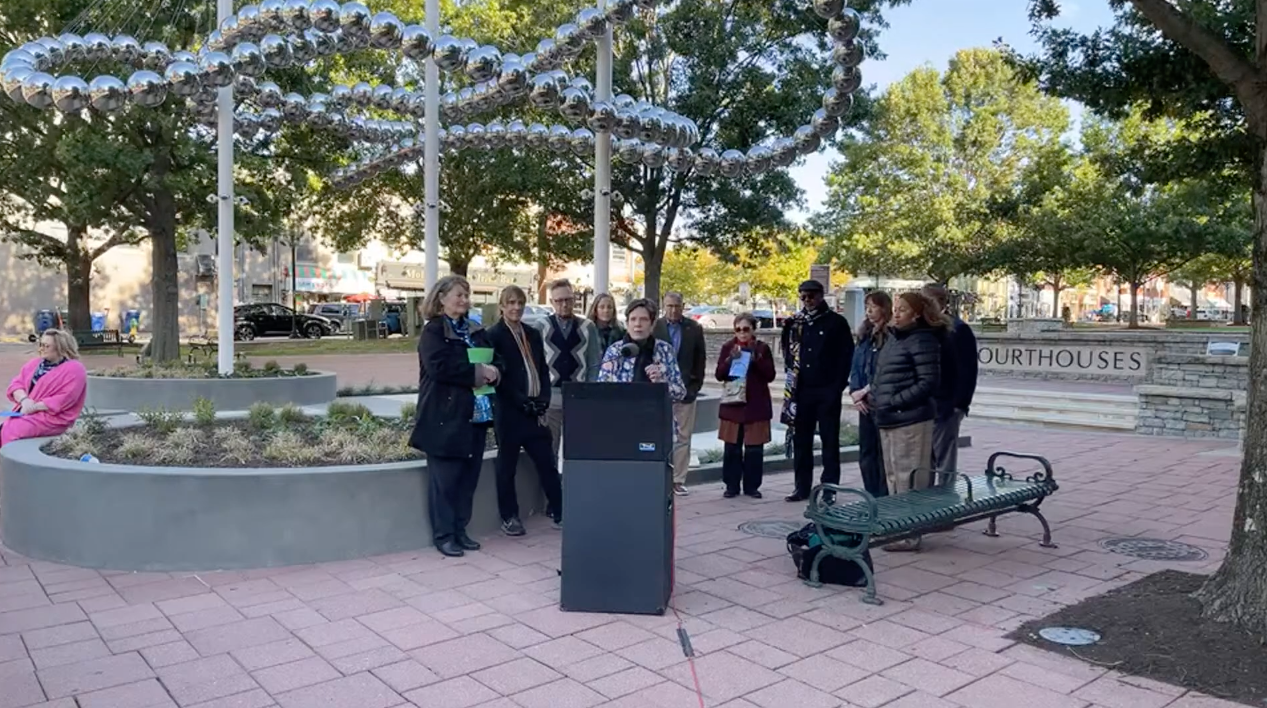
It was a bright October morning downtown, the kind that makes even concrete look proud of itself. A small crowd gathered near the courthouse as city officials—beaming, confident, armed with adjectives—snipped the ribbon on Lexington’s newest public artwork: “A Common Thread,” better known by its emerging Internet street names.
The $900,000 sculpture—an arrangement of massive mirrored orbs that look like a fish stick company’s dream of modern art—was declared a triumph by the assembled dignitaries. “Some people like it[!]” the Mayor’s spokesperson proclaimed, a phrase that might as well be etched into the city’s seal at this point.
Others, however, weren’t so sure. “I thought it was temporary art for Christmas,” one confused reddit user noted. Another said simply, “Thats a lot of words just to say ‘Let them eat cake’”
Still, officials insist the public just needs time. Art, after all, is subjective—and if you don’t like the Balls, maybe you just don’t get it.
This is a familiar tune in Lexington. The city rolls out a glossy new “public space,” declares it transformative, and when residents blink in confusion, the PR machine revs up. Before long, we’re told our skepticism is a personal failing, a lack of civic imagination.
(onthegrid.city)
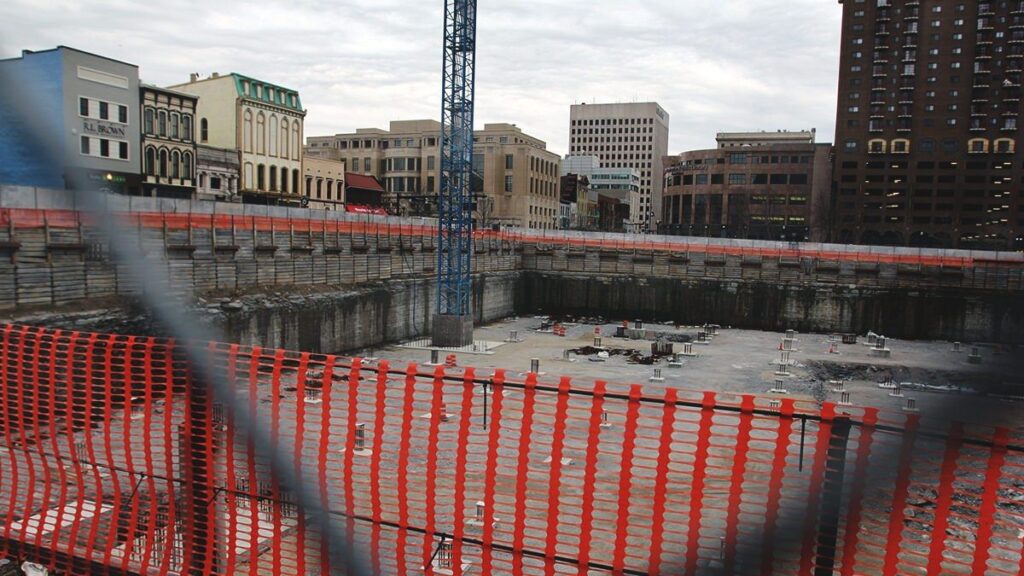
We’ve seen this movie before—Gatton Park’s soft opening met its match in reality when folks realized the “inclusive gathering space” came with $400 meet-and-greet tickets and no shade. At CentrePit, the city demolished a historic downtown block for a hotel that never materialized, and acted surprised when people said it felt like, well, a pit.
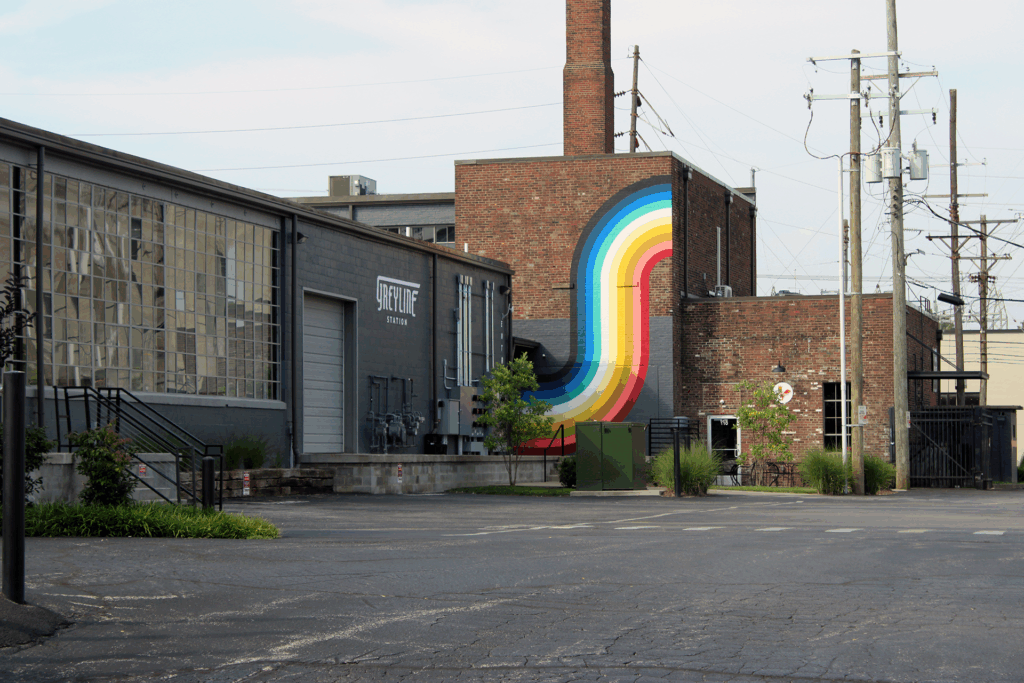
And who can forget Greyline Station? Once a hopeful model for community-driven revitalization, it now functions mostly as a lifestyle photo backdrop where a $17 sandwich is considered “supporting local.” Lexington’s private sector calls this placemaking. Everyone else calls it rent inflation.
Back at Gorton’s Balls, city leaders stood framed by the mirrored surfaces—perfect symbols of Lexington’s civic style: shiny, reflective, and vaguely self-absorbed. The installation is meant to capture the skyline, the people, the environment around it. In practice, it mostly captures parking lots, passing SUVs, and the faint look of regret on someone’s face as they realize their taxes helped pay for it.
The thing is, it’s not about the Balls themselves. It’s about the choreography. The way our leaders—earnest, rehearsed—stand in front of a press backdrop and tell us what the moment means. “This is for everyone,” they say, while the “everyone” in question can’t afford a booth at Greyline, a condo near Town Branch, or a concert in the park they supposedly helped build.
A city can’t ribbon-cut its way into being a community. Lexington’s true art form isn’t sculpture—it’s self-congratulation. Every project arrives wrapped in the language of progress: revitalization, activation, inclusivity. But the brushstrokes always look the same. Money flows upward, aesthetics trickle down.
There’s a certain civic absurdity in spending nearly a million dollars to install giant chrome spheres while public restrooms downtown remain locked, benches removed “for safety,” and social services stretched thin. “Public art,” they say. But public for who?
Maybe the truest reflection in Gorton’s Balls isn’t the skyline—it’s us, craning our necks, trying to see beauty in the bureaucratic performance of it all. Trying to convince ourselves that this time, maybe, they got it right.
But deep down, we know how this goes. The hashtags will fade. The selfies will stop. The shine will dull. And Lexington will move on to the next thing with a plaque and a podium.
Still, the Balls will remain—polished, expensive, and insistently there—reminding us that in this town, civic pride often comes pre-approved by a contractor.
The emperor may not have clothes, but he’s got great reflections.