By Hilary Brown
University of Kentucky
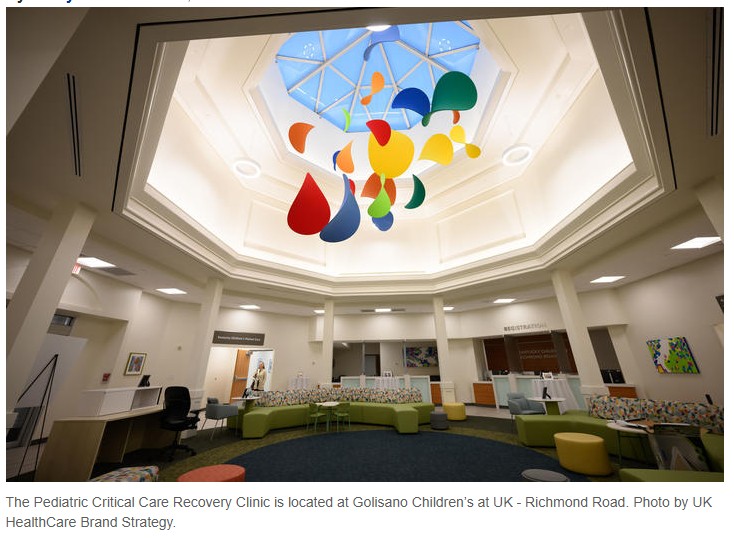
A first-of-its-kind clinic in Kentucky dedicated to helping children and families recover after a stay in the pediatric intensive care unit is opening at Golisano Children’s at UK, formerly known as Kentucky Children’s Hospital.
Dr. Mashael Alqahtani, medical director of the Pediatric Critical Care Recovery Service, located at Lexington’s Golisano Children’s Hospital at UK — Richmond Road, said healing after a critical illness extends beyond the walls of a hospital.
“Our goal is to support every child’s PICU recovery journey through coordinated, compassionate care,” Alqahtani said. “By strengthening the connection between families, local providers and schools, we can help our patients and families navigate life after a serious illness,”
Pediatric post-intensive care syndrome (PICS-p) is a collection of physical, cognitive, emotional and social issues that children may experience after a stay in the PICU, and can impact a child’s physical growth, learning ability and emotional well-being.
Other PICS-p issues can include:
- Muscle weakness or decreased mobility
- Memory, attention or learning difficulties that can impact their performance at school
- Developmental delays, especially in young children
- Mood changes like sadness or anxiety
- Fatigue or sleep problems
- Behavior changes, such as irritability and aggression
This syndrome can also impact the whole family, as the patient may have difficulty reintegrating into home life, school or social activities.
“By taking a proactive, whole-child approach, we can identify challenges early and provide the support children and their families need to recover fully,” Alqahtani said. “Our team maintains regular follow-up after discharge to monitor progress and connect families with the appropriate resources.”