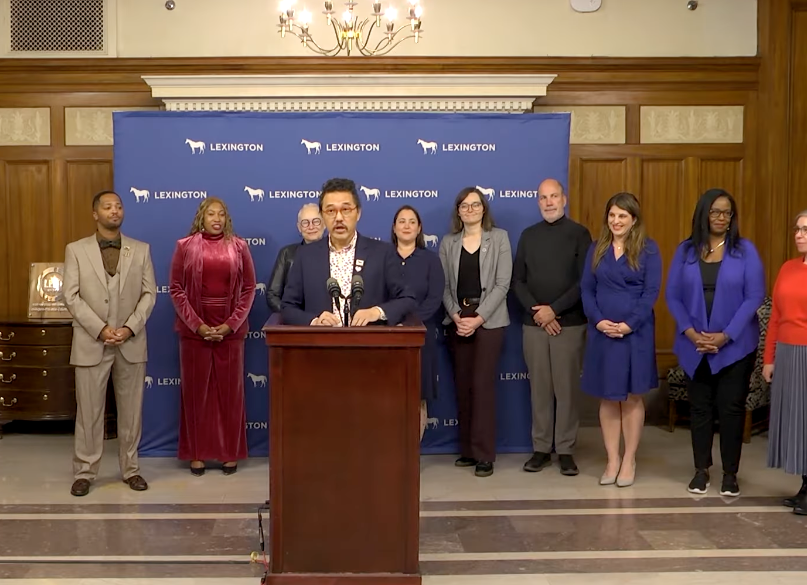
If you listened closely at last week’s press conference—the one where Vice Mayor Dan Wu announced $12.6 million in medical debt had vanished from Fayette County—there was a faint sound underneath all that civic cheer.
A tiny ka-ching.
Because by the time the Herald-Leader’s Adrian Paul Bryant peeled back the wrapping paper, Lexington’s feel-good million-dollar partnership with Undue Medical Debt looked a lot less like philanthropy and a lot more like your uncle wiring money to the “IRS” after a suspicious voicemail.
And like every classic Lexington moment, we learned about it one committee meeting too late.
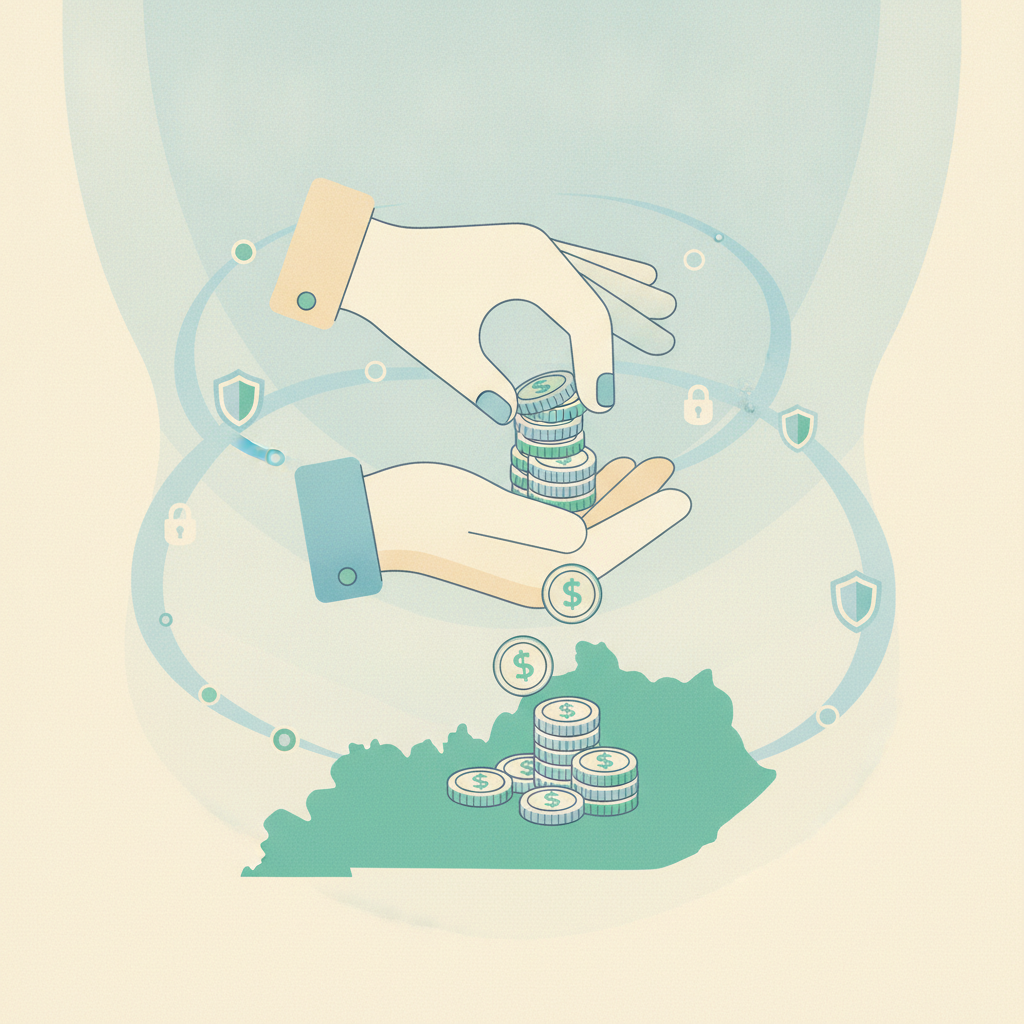
Here’s the setup: the city hands a national nonprofit $1 million to erase medical debt for as many as 32,000 residents. In return, the nonprofit spends about $660,000 wiping out debt and $336,000 paying itself to do it.
Mayor Linda Gorton immediately raised both eyebrows, which is saying something because she usually saves that level of intensity for snow removal briefings. She refused to sign the contract, writing that she was “not comfortable” with more than one-third of the city’s money going to “administrative” costs—numbers that would make even the most patient ESR review panel reach for the Advil.
And honestly? She had a point.
Councilmember Dave Sevigny said Council felt like they “got a little worked on.” One Lexington resident I talked to said it plainer: “Man, if somebody tells me they can turn a million into ninety million, I’m checking to see if they’re selling timeshares too.”
But the vice mayor had his own math. He wasn’t concerned with what the organization kept; he cared about what it could erase. “It’s a million-dollar investment and a potential $90 million in relief,” he said, sounding a bit like Lexington’s first crypto mayor—don’t worry about the overhead, feel the vibe of the ratio.
To Wu’s credit, he’s earnest. You can tell he truly wants to help people buried under medical bills. But earnestness is not the same thing as due diligence, and Lexington has a long tradition of confusing the two. We love a ribbon-cutting. We love a national partnership. We love a number so big it makes us feel like a real city.
What we’re less good at is slowing down the sales pitch long enough to read the fee schedule.
The fun twist? There’s research suggesting that forgiving medical debt—at least the way it’s traditionally been done—may not actually improve credit scores or healthcare access. The mayor’s office tried to gesture at this in a politely cryptic way (“There are studies out there… they’re easy to Google”). Translation: We didn’t want to say it out loud, but someone should probably say it out loud.
The nonprofit insists its newer model fixes all that. Maybe it does. Maybe it doesn’t. That’s what the upcoming January council update will supposedly clarify—how much debt was erased, how much money was spent, and how much of this partnership is math versus marketing.
In the meantime, the city is left in an uncomfortable place: we might have bought something that works, and we definitely paid retail.
And that’s the thing about Lexington. We’re generous. We’re hopeful. And sometimes we’re just a little too eager to believe that the newest shiny civic idea is the one that finally elevates us from “city with horses” to “city with solutions.”
Medical debt is real. It ruins lives, wrecks credit, and keeps people from seeking care. But so does the habit of chasing grand gestures while overlooking simpler, more accountable local fixes.
If we’re going to spend a million dollars trying to heal Lexington, we should start with our chronic condition: falling for big promises without checking the fine print.
Call it our preexisting condition.
And no, it’s apparently not covered.