Committee passes bill on patient protections for organ donors
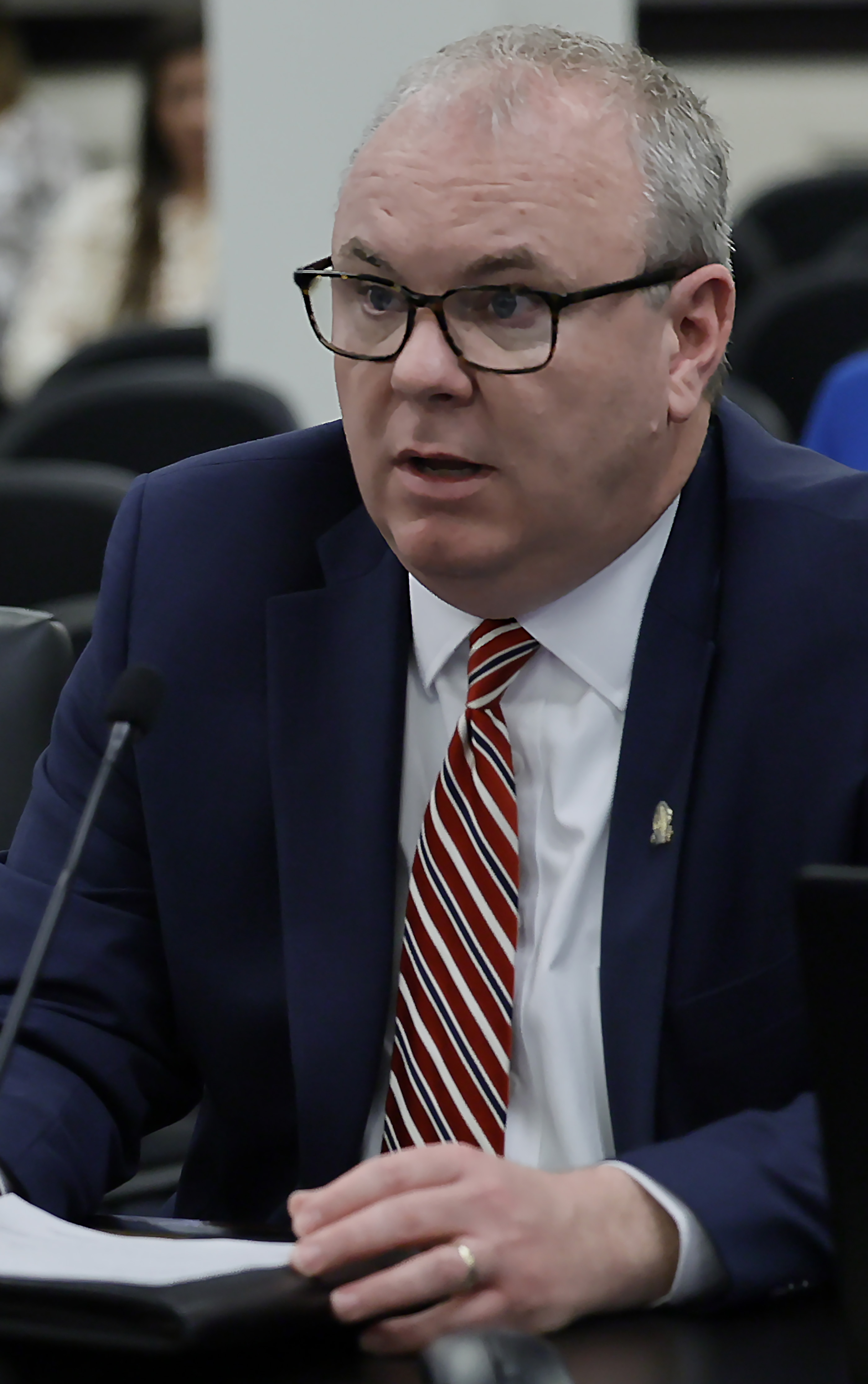
House Majority Whip Jason Nemes, R-Middletown, speaks on House Bill 389 during Wednesday’s meeting of the House Health Services Committee. A high-resolution photo can be found here.
FRANKFORT — FRANKFORT, Ky. (Feb. 19, 2026) — Legislation that would strengthen patient protections during the organ donation process was approved by the House Health Services Committee on Thursday.
The measure would create what House Majority Whip Jason Nemes, R-Middletown, described as a “pause in procedure” requirement, intended to ensure patients and their families have clear protections and maintain control over the organ donation process.
House Bill 510 would require additional verification steps before organ procurement can begin. The bill also reinforces that a patient must be formally declared dead according to established medical standards.
Other provisions in the bill would clarify that consent must be properly obtained and documented, and that the decision to withdraw life-sustaining treatment remains separate from any discussions about organ donation.
Supporters say the changes would provide clearer guidance for medical providers and help ensure transparency for families during the process.
Addia Wuchner, executive director of Kentucky Right to Life, spoke in favor of the bill.
“We believe life is a gift, one of the most profound final gifts an individual could ever give,” she said “House Bill 510 ensures every Kentuckian is given that choice.”
Barry Massa, CEO of Network for Hope, said many of the practices outlined in the legislation are already part of the organization’s process.
“All these actions incorporated in this bill are already incorporated in the Network for Hope’s organ donation process, and we’re here to support this bill because we want to rebuild public trust in organ, tissue and eye donation,” he said.
Rep. Kimberly Poore Moser, R-Taylor Mill, thanked Nemes for his work on the measure and voiced support during the meeting.
“It is critically important, and I like this clarification and am in support of this language,” Moser said.
The bill passed the committee 17-0, allowing it to move forward for consideration by the full House of Representatives.