🌎 Resumen en español · traducción automática
James Bruggers, reconocido periodista ambiental de Kentucky que durante casi dos décadas reportó para el Louisville Courier Journal sobre los peligros de la contaminación industrial y las minas de carbón, falleció el martes a los 68 años por complicaciones de cáncer de tiroides y neumonía. Su cobertura investigativa sobre la contaminación del aire en Rubbertown ayudó a crear el programa STAR, que redujo las emisiones de contaminantes cancerígenos en más del 80 por ciento. Después de dejar el Courier Journal en 2018, Bruggers se unió a Inside Climate News para reportar sobre temas ambientales en el sureste de Estados Unidos, incluyendo la falta de energías renovables en Kentucky y explosiones de metano en minas de Alabama.
Traducción y resumen generados por IA a partir del artículo en inglés. Puede contener errores; consulte el texto original.
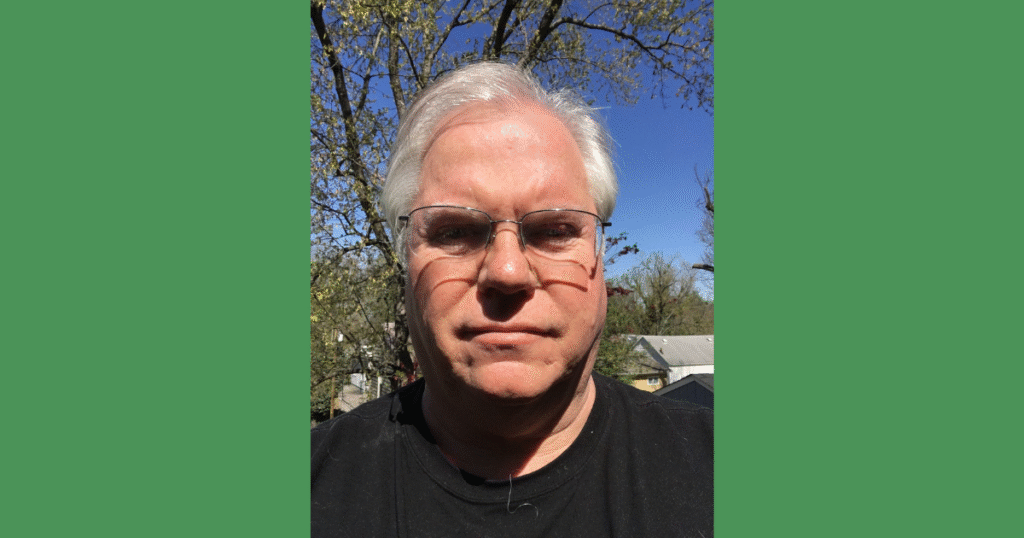
James Bruggers, a longtime Kentucky environmental and energy journalist whose groundbreaking coverage spanned from the hazards of coal mines to scrutinizing polluters, died Tuesday. He was 68.
Bruggers spent nearly two decades reporting at the Louisville Courier Journal, first arriving in 1999 after reporting stints in Washington and California and after graduating from the University of Montana. The Courier Journal reported he died from complications of a rare case of thyroid cancer and pneumonia, according to his wife Chris.
His persistent, award-winning reporting while at the newspaper on the health impacts of carcinogenic air pollution from Rubbertown — an industrial complex adjacent to predominantly Black neighborhoods of West Louisville — helped lead to the creation of the Strategic Toxic Air Reduction Program, or STAR, program. The regulatory program is credited with having reduced the emissions of one cancer-causing pollutant by over 80%, according to Louisville Public Media.
Tom FitzGerald, the former director and currently of counsel to the environmental legal nonprofit Kentucky Resources Council, told the Lantern the work of community activist Eboni Cochran and Art Williams, the late director of the Louisville Metro Air Pollution Control District, was “given voice” by Bruggers.
“It made the issue not a West End issue but a Louisville issue, and it helped to armor the effort for change against the pressure from Rubbertown,” FitzGerald said. “I think in people’s heart of hearts they do value their children and their grandchildren and their health, and they do want to protect their future. And I think Jim tapped into a lot of that.”
Bruggers left the Louisville newspaper in 2018 to join the national nonprofit Inside Climate News to report regionally across the southeastern United States including in Kentucky, where his coverage ranged from analyzing Kentucky’s stark lack of renewable energy to holding to account on Alabama regulators over methane explosions coming from mines.
He also served in various leadership roles including as president of the Society of Environmental Journalists where he was instrumental in creating the organization’s annual journalism contest. Bruggers contributed stories to the Kentucky Lantern through republished work from Inside Climate News as well.
Deborah Yetter, a Lantern contributor and former longtime Courier Journal reporter who worked with Bruggers, described him as a “soft-spoken, thoughtful guy” who dived into a wide range of environmental issues facing the state from the impacts of coal mining to air pollution in Jefferson County.
“He was detailed, dogged and well-respected among the many public and environmental advocacy individuals he dealt with,” Yetter said in an email. “Jim also was a great friend and colleague.”
Yetter highlighted a recent piece by Bruggers she was “deeply impressed” with in which he interviewed a Kentucky priest who established a center that explored the connections between religion and the natural world.
FitzGerald, the former Kentucky Resources Council director, also said Bruggers had a knack for taking “impenetrable” issues of environmental science and health — a field where measurements of pollution can be described as parts per billion — and making them understandable for readers.
FitzGerald said when Bruggers left the Courier Journal for Inside Climate News, Bruggers reminded FitzGerald that he was the first person he called as a reporter nearly two decades prior.
“Jim had an empathy and a clarity about his writing that really stood out,” FitzGerald said. “I think Jim was hopeful in a way that is hard to be hopeful when you’re faced with the cynicism of some people in power who don’t want justice.”