Prior authorization-exemption bill on the move
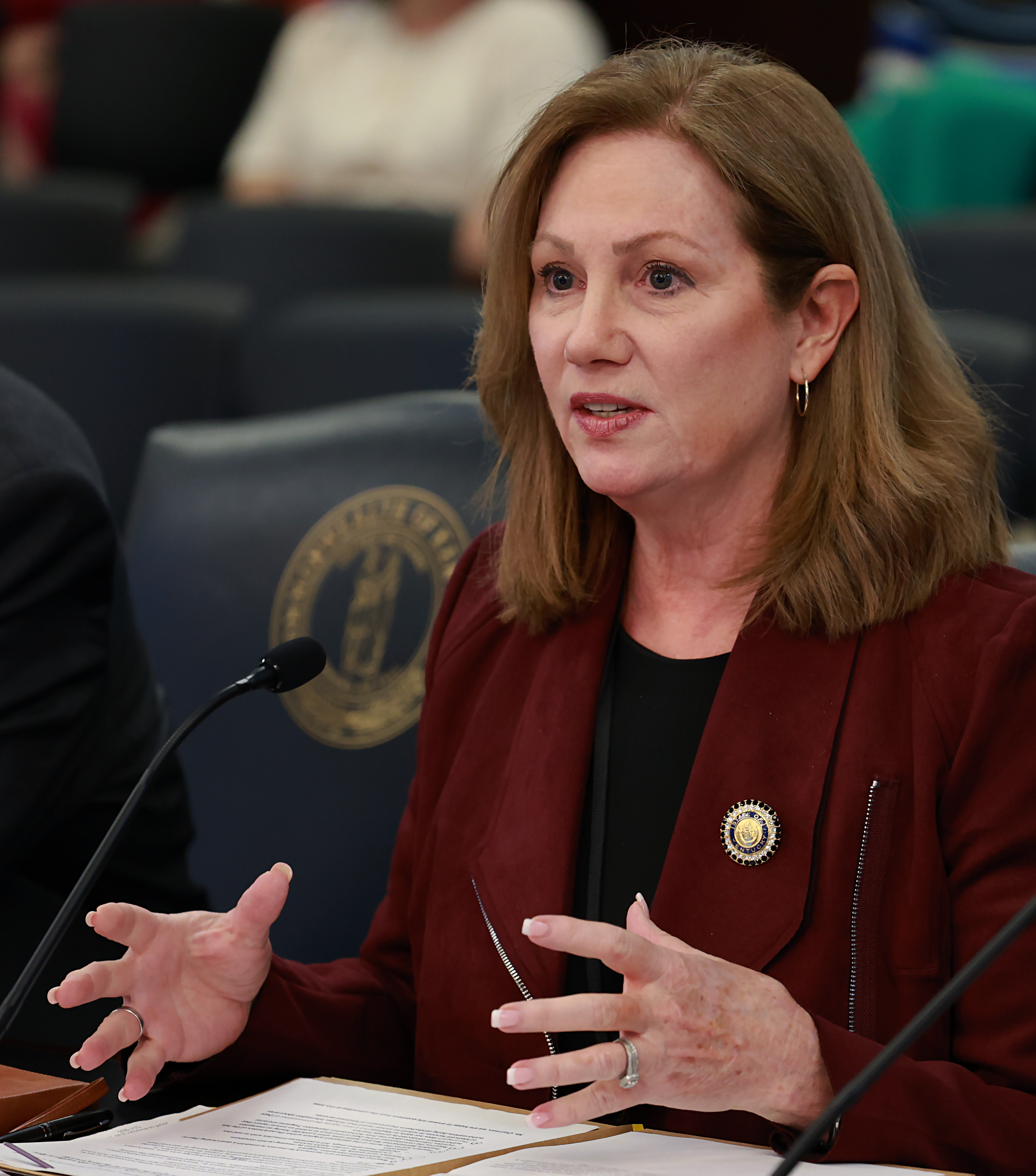
Rep. Kimberly Poore Moser, R-Taylor Mill, has spent five years working on House Bill 176, which would provide certain health care providers an exemption for the prior authorization process. A high-res version can be found here.
FRANKFORT — The House Banking and Insurance Committee advanced a bill on Wednesday that would allow certain health care providers to be exempted from the health insurance prior authorization process.
Rep. Kimberly Poore Moser, R-Taylor Mill, is the primary sponsor of House Bill 176. She told the committee the legislation would establish a framework to allow insurers to dictate the terms of prior authorization exemption for certain providers.
Moser said the current process of health care providers having to seek permission, or prior authorization, from insurers before providing care is costly and time intensive.
“It is a layer of bureaucracy that we seek to provide relief from for patients and health care providers,” Moser said.
Moser said HB 176 is the result of five years of work alongside insurance companies and other stakeholders.
“We are streamlining the prior authorization process, and we’re simply making it easier for Kentuckians to access the care which is prescribed for them from a health provider,” she added.
Insurers would not be required to include prescriptions in the prior authorization exemption program, but could opt-in, Moser said. Behavioral health services, however, are included in the definition as a health care provider under the bill.
Moser said the bill would alleviate any dangerous or unnecessary delays in care, while still giving an insurer the ability to set the terms of the exemption program it offers within certain parameters.
Additionally, HB 176 would require the Commissioner of the Department of Insurance to produce an annual report on prior authorizations.
Rep. Chad Aull, D-Lexington, asked Moser if the legislation is like other programs in other states.
Cory Meadows, the deputy executive vice president of the Kentucky Medical Association, said HB 176 is similar to what other states are doing, and Kentucky’s bill would not disrupt current existing programs.
The legislation is also Kentucky-specific, Moser added.
The committee unanimously approved HB 176. The bill will now go before the full House for consideration.