🌎 Resumen en español · traducción automática
Cuatro años después de la sentencia Dobbs que eliminó el derecho constitucional al aborto en Estados Unidos, la gestión de abortos espontáneos sigue siendo confusa debido a las ambigüedades en las leyes estatales que prohíben el procedimiento. Mylissa McNeill, quien vivía en Missouri cuando sufrió un aborto espontáneo en agosto de 2022, afirma que los hospitales se negaron a proporcionarle el tratamiento necesario por temor a violar la ley estatal, lo que resultó en problemas de salud persistentes. Aunque Missouri derogó su prohibición del aborto en 2024, otros 13 estados mantienen bans con excepciones mal definidas para proteger la vida o salud de la mujer embarazada, lo que genera incertidumbre entre médicos y hospitales sobre cuándo pueden proporcionar atención oportuna.
Traducción y resumen generados por IA a partir del artículo en inglés. Puede contener errores; consulte el texto original.
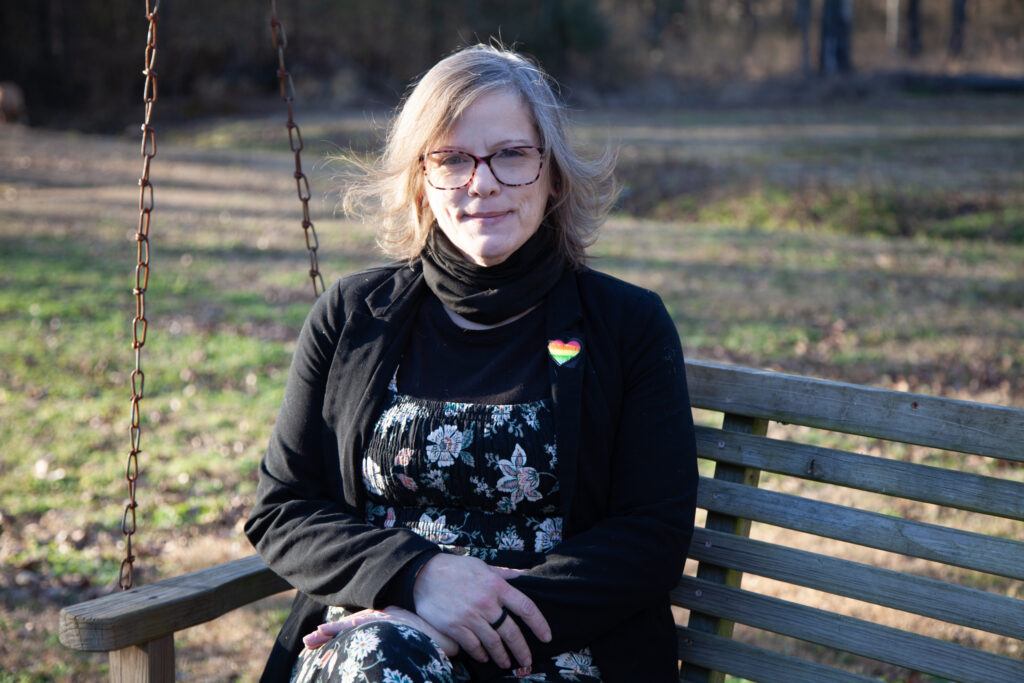
Mylissa McNeill never expected to be a mother. But when she learned she was pregnant in the spring of 2022, at age 41, she and her partner were happy and excited at the prospect of parenting a little girl they planned to name Maeve.
On June 24, 2022, about one month after McNeill discovered she was pregnant, the U.S. Supreme Court overturned Roe v. Wade in its Dobbs ruling, eliminating the constitutional right to an abortion and empowering states to outlaw it. Missouri was the first state to enact a ban; at that time, McNeill was living in Joplin, Missouri.
In August 2022, McNeill miscarried. It was the beginning of a health crisis that plagues her to this day and that she blames, at least in part, on hospitals’ reluctance to provide miscarriage management care that might run afoul of state abortion bans.
Missouri’s law prohibited nearly all abortions, but it allowed abortion providers who were charged or sued under the law to escape punishment by arguing that they acted in a “medical emergency” to prevent the death of the pregnant woman or to avert “a serious risk of substantial and irreversible physical impairment of a major bodily function.”
Missouri’s ban is no longer in effect — it was overturned by voters in 2024 — but such language is typical: All 13 states that currently have abortion bans allow the procedure to protect the life of the pregnant woman. Some, but not all, of the bans also have exceptions to protect the health of the woman.
But patients and providers have argued in lawsuits challenging the bans that such exceptions are too ill defined to give doctors and hospitals enough confidence to provide timely care. McNeill believes that her persistent health problems are the result of delayed care.
In early August 2022, less than two months after Missouri’s ban took effect, McNeill’s water broke at about 18 weeks. She says her OB-GYN told her the pregnancy was no longer viable, and she sought an abortion and miscarriage management procedure known as dilation and curettage, or D&C, in hospitals in both Missouri and Kansas (where abortion was legal). However, doctors declined to provide miscarriage care while they were able to detect fetal cardiac activity.
After three days of bleeding and aching, McNeill finally received treatment at a hospital in Illinois. When she had a subsequent tubal ligation to prevent future pregnancies, McNeill said medical staff told her she had scar tissue resulting from an infection she developed after her water broke.
“While they were in there, they saw what happened,” McNeill said. “The infection went outside of my uterus. It went to my liver, and my liver is permanently attached in multiple places. It’s attached to my uterus; it’s attached to my stomach lining.”
McNeill says the lingering effects of that infection include severe bouts of vomiting and significant financial hardship as she has struggled to pay for care without steady health care coverage.
“I literally break all the blood vessels in my skin. … This kind of pain is — there’s no word for it,” said McNeill, who shared with Stateline pictures of her face covered in red splotches, her nose magenta. “The delay is what really upset me, because women have died with less time than I had, and that delay and the infection that I did get from this by waiting three days, it destroyed my life.”
Last year, states including Texas, Kentucky and Tennessee enacted laws designed to provide additional clarity on medical exceptions to their bans, but confusion persists in those states and others. Stories of denied miscarriage care continue to emerge, including in a brand-new lawsuit in Texas, and several deaths have been attributed in part to abortion restrictions, including in Georgia and Texas. Research has linked abortion restrictions to higher rates of maternal death and injury.
“The four years since the Dobbs decision have unfortunately proven what OB-GYNs already knew: abortion care is inextricable from reproductive health care,” Molly Meegan, chief legal officer and general counsel for the American College of Obstetricians and Gynecologists, wrote in a statement.
“Bans and restrictions on abortion care have resulted in patients across the country being denied care, even in instances of pregnancy loss and miscarriage.”
A new study published last month by the Journal of the American Medical Association found that since the Dobbs decision, in states where abortion bans took effect, miscarriage management has shifted away from medical intervention toward more of a “wait-and-see” approach.
But anti-abortion groups blame doctors and abortion-rights advocates for creating confusion around the medical exceptions in abortion bans, insisting it is clear what is a medically indicated abortion and what is purely elective.
“As architects of the majority of the nation’s pro-life laws, Americans United for Life has been very clear that none prevent women from receiving life-saving miscarriage care. Efforts to suggest otherwise are made in bad faith” said Gavin Oxley, a spokesperson for the group.
“Doctors who delay or altogether deny medical treatment must be held accountable for the harm they inflict upon women. If doctors are not clear on this four years after Dobbs, they clearly have not been listening.”
Dr. Susan Bane, an OB-GYN in Greenville, North Carolina, who is on the board of directors for the American Association of Pro-Life Obstetricians and Gynecologists, told Stateline that doctors — especially the American College of Obstetricians and Gynecologists — have unfairly blamed abortion bans for the denial of medical care to pregnant or miscarrying women.
“There’s nothing, I mean zero, about any of these laws that say you have to have her dying or septic,” Bane said. “I’ve done this hundreds of times in the last 30 years, where the baby was alive, and I sat at the bedside and had an excruciating conversation with a woman to say, ‘I am so sorry, but if we don’t move towards delivery, I’m worried both of you will die.’”
She said her organization supports state laws, like one signed in South Dakota earlier this year, that redefine “abortion” as the intentional ending of the life of the “unborn child.” Supporters say such laws will allow doctors to manage miscarriages, ectopic pregnancies and other pregnancy-related emergencies.
“It’s sad that more clarification isn’t happening, but the blame really started right in my profession.” Bane said.
But Meegan said attempts to legislate health exceptions fall short of protecting all patients.
“There is no law or exception that can account for the immense variety of medical situations that can present in pregnancy,” she wrote. “And there is no additional legislation that can undo the harm created by abortion bans short of repealing the bans themselves.”
McNeill said that following her miscarriage, she lost her job and the health insurance that came with it. She sued and then reached a settlement with the Missouri hospital that she believes denied her prompt care. But she continues to search for relief from her health problems, and says she has racked up substantial medical debt.
She and her husband moved to Arkansas and then Kansas in search of the financial stability that has eluded them since her miscarriage almost four years ago.
“My debt is in the millions with all of this illness without coverage for long periods,” McNeill said. “Now that my credit is destroyed, I’ll never be able to buy a house again while in this health.”
Stateline reporter Sofia Resnick can be reached at [email protected].
This story was originally produced by Stateline, which is part of States Newsroom, a nonprofit news network which includes Kentucky Lantern, and is supported by grants and a coalition of donors as a 501c(3) public charity.