🌎 Resumen en español · traducción automática
Los agricultores especializados de Kentucky están cambiando sus horarios de cosecha para adaptarse al calor extremo, trasladando el trabajo a las horas más frescas de la tarde y madrugada, como hace Annie Woods en su granja de 50 acres donde cosecha calabaza y calabacín al atardecer. Además de ajustar los tiempos de cosecha, los productores están implementando otras estrategias como riego mejorado, acolchado del suelo y telas de sombra para proteger sus cultivos del estrés térmico y preservar la calidad de los productos. Los servicios de extensión agrícola del estado están brindando orientación a los agricultores sobre técnicas de manejo del calor y conservación del agua, ya que estos cultivos de alto valor son particularmente vulnerables a los eventos climáticos extremos.
Traducción y resumen generados por IA a partir del artículo en inglés. Puede contener errores; consulte el texto original.
LEXINGTON, Ky. — As temperatures soar across central Kentucky, specialty crop farmers are fundamentally changing how and when they work their land, shifting harvests to cooler hours and implementing protective measures to save their crops from heat stress.
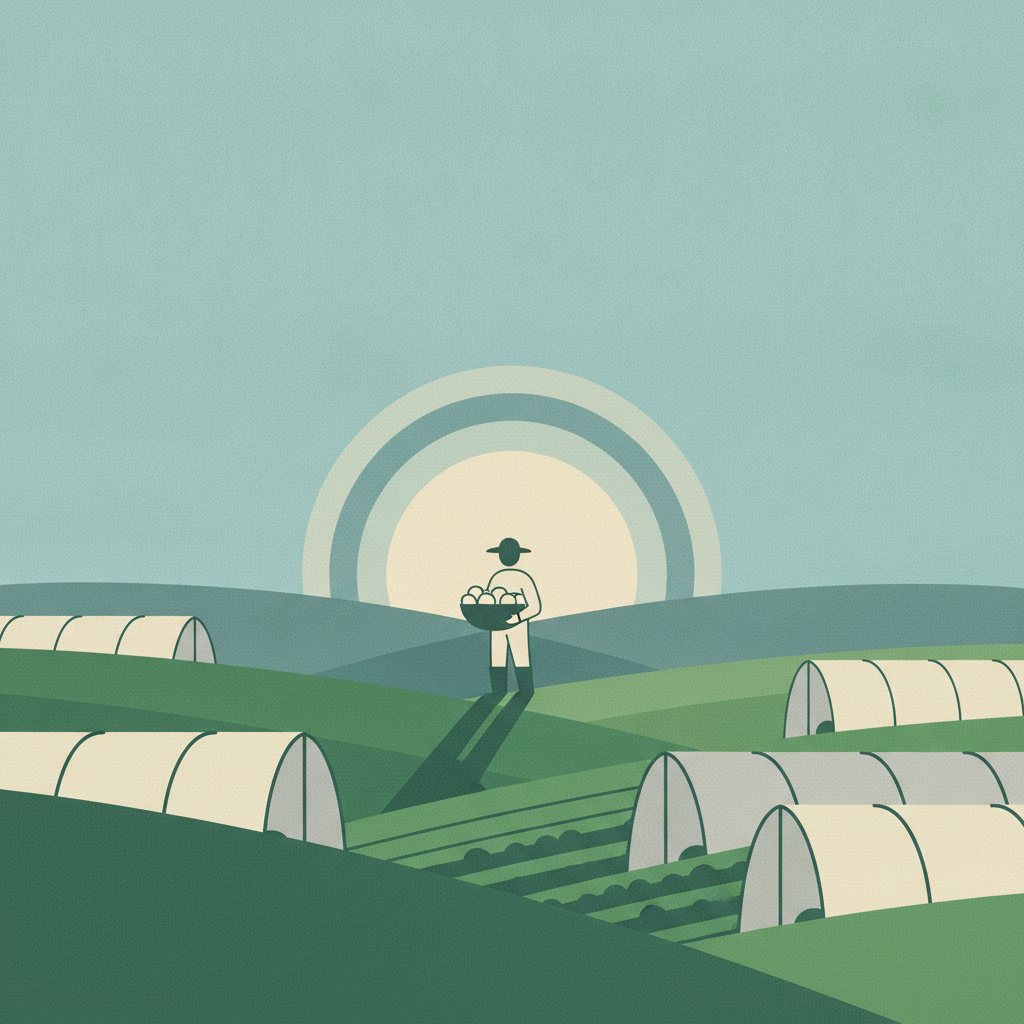
Annie Woods, who operates a 50-acre farm in the region, has begun harvesting squash and zucchini in the evening hours as the sun sets, according to reporting from WUKY 91.3 FM. The shift represents a broader adaptation strategy being employed by specialty farmers across Kentucky as prolonged extreme heat threatens both crop quality and yield.
The challenges facing Kentucky’s specialty crop sector reflect broader agricultural trends across the region. Heat stress can damage delicate produce, reduce marketability, and deplete soil moisture at critical growth stages. By adjusting harvest schedules to cooler evening and early morning hours, farmers like Woods aim to minimize crop damage and preserve product quality for consumers.
Beyond timing adjustments, farmers are implementing other heat mitigation strategies, including enhanced irrigation, mulching to retain soil moisture, and in some cases, shade cloth installations to protect sensitive crops. The need for such adaptations underscores the increasing pressure that climate variability places on Kentucky’s agricultural industry.
Specialty crop farming — which includes vegetables, fruits, and other high-value crops — represents a significant portion of Kentucky’s agricultural economy. Unlike commodity crops such as corn and soybeans, specialty crops often require more precise growing conditions and more intensive management, making them particularly vulnerable to extreme weather events.
Agricultural extension services across the state have been providing guidance to farmers on heat management techniques, water conservation, and crop selection for changing climate conditions. The adaptations made by farmers this season will likely inform long-term planning as the agricultural industry grapples with weather patterns that increasingly deviate from historical norms.
Sources
This article was generated by AI (claude-haiku-4-5-20251001) based on source material from WUKY 91.3 FM. The original source is available at https://www.wuky.org/wuky-news/2026-07-09/specialty-farmers-adapt-harvests-protect-crops-in-face-of-extreme-heat.