🌎 Resumen en español · traducción automática
El Consejo Urbano de Lexington aprobó por unanimidad sin debate público la expansión de un subsidio fiscal para el Red Mile que ha estado vigente desde 2010, incorporando la pista de carreras y su infield al distrito de Financiamiento de Incremento Fiscal. La aprobación se aceleró antes de la fecha límite del 1 de julio de 2026, cuando una nueva ley estatal prohibirá que las ciudades de Kentucky enmienden los distritos TIF existentes. El sistema de TIF congela la base fiscal en un área definida y redirige el crecimiento de ingresos fiscales al desarrollador del proyecto en lugar de los fondos generales, pudiendo capturar impuestos locales y estatales hasta por 20 años.
Traducción y resumen generados por IA a partir del artículo en inglés. Puede contener errores; consulte el texto original.
On Thursday night, in a single unanimous roll-call vote with no debate and not one member of the public at the microphone, the Urban County Council enlarged a tax subsidy for the Red Mile that has been on the books since 2010.
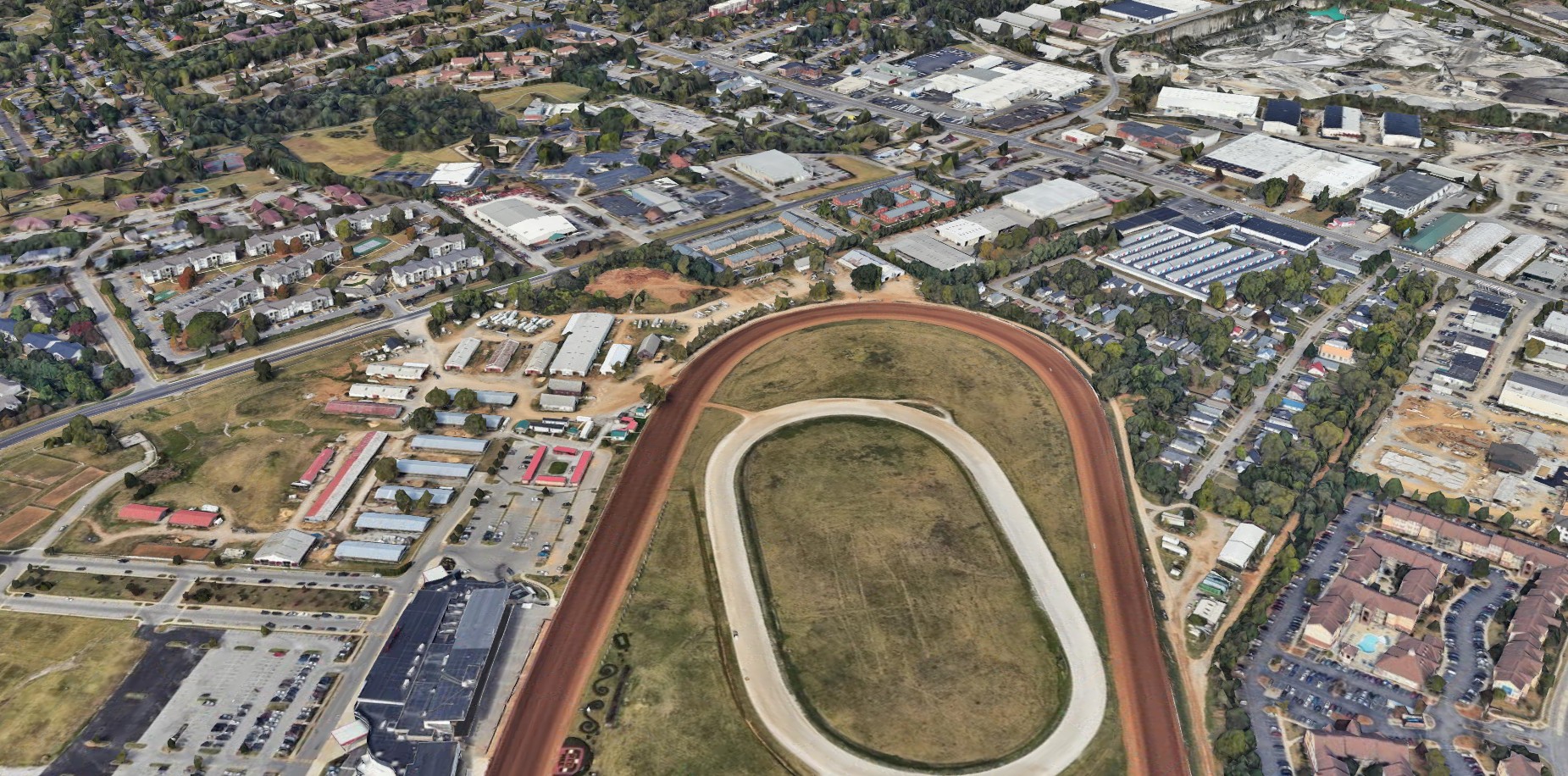
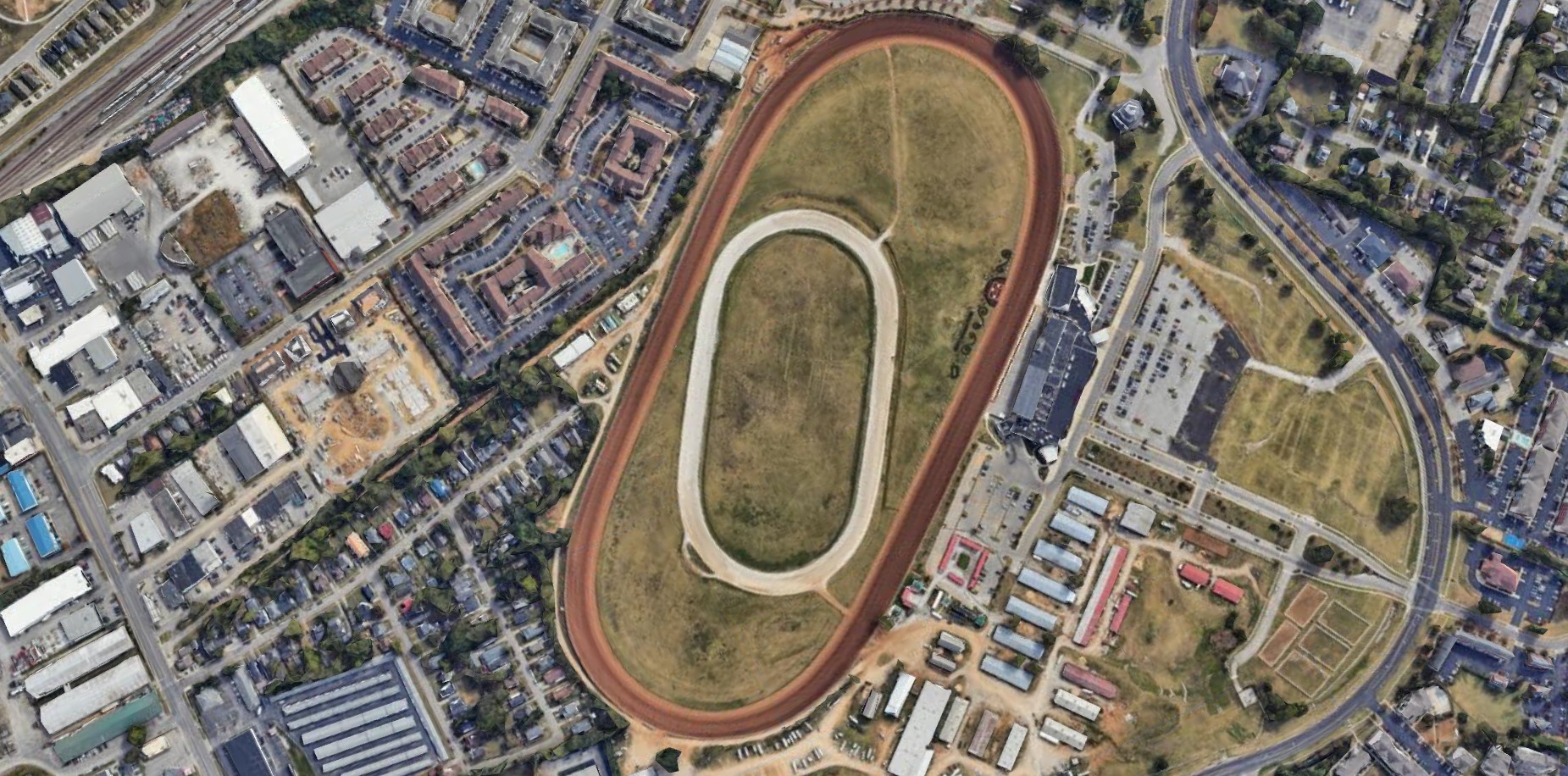
Mayor Linda Gorton opened the legally required public hearing on Ordinance O-044-2026, asked twice if anyone wished to speak, and — “seeing no one” — closed it. Minutes later the council adopted it on second reading. The ordinance expands the boundary of the Red Mile Tax Increment Financing district, folding in the one part of the historic harness track that had never been inside it: the racetrack and its grassy infield.
It is a small-sounding change with a revealing amount of machinery behind it — and it arrived on a deadline. After July 1, 2026, a change in state law will bar Kentucky cities from amending existing TIF districts at all. Chief Development Officer Kevin Atkins told the council the date was “kind of a trigger,” and the schedule was set so the package could clear the state’s economic-development board in June. That is why the item moved from a May 26 work session to a May 28 first reading to a June 4 adoption in nine days, with other planning business bumped to make room.
What a TIF is, and what this one does
Tax increment financing freezes the tax base inside a defined area at a “base year.” As new investment raises the tax take above that floor, the increment — the growth — is routed back to the project’s developer to reimburse approved public infrastructure, instead of flowing to the general fund. In Kentucky, a district can capture local and, with state sign-off, state taxes for up to 20 years.
The 2026 amendment, by its own legal description, was “modified on December 18, 2025, to include the Track, Track Infield and access road from Versailles Road.” The amended district covers 57.612 acres. It does not raise the approved improvement list, its cost, or the tax revenue already pledged. What it does is make roughly $2.5 million of new on-site work eligible for reimbursement: about $900,000 in stormwater abatement and about $1.6 million to run water, gas, sewer and electric into the infield for the Breeders Crown harness-racing championship — work that includes boring utility lines underneath the track itself.
That is the quiet pivot worth noticing. The TIF was sold in 2010 as the engine for a mixed-use neighborhood — apartments, retail, structured parking — on the Red Mile’s acreage. Planning staff and the track’s own representative conceded on the record that the housing has been slow to materialize; a fresh mixed-use plan was postponed by a city committee as recently as February. With the housing stalled, the newest use of the district’s borrowing capacity is infrastructure for racing and festival events. As Planning Commissioner Robin Michler put it before voting yes anyway, the comprehensive-plan justification “sound[s] kind of weak at best … it really sounds like we’re just doing this so they can get reimbursed for the internal work they are doing for these events.” City staff likened the breadth of what a TIF can cover to “building a private parking garage for Lex Live.”
The number nobody mentioned
Throughout the public discussion, the Red Mile deal was described in terms of the original ceiling the state approved in 2010: up to $25.32 million in state participation.
The Commonwealth’s own books tell a different story. Kentucky’s official list of TIF projects with state participation carries the Red Mile at an eligible state incentive of $13,786,000 — barely more than half the headline figure. The reduction traces to a contingency written into the 2012 amendment tied to “Instant Racing,” the historical-horse-racing gambling that today anchors the property’s finances. The same state record shows the project was formally “activated” on Aug. 25, 2015 — meaning the $20 million private-investment threshold the TIF needed to switch on had been met — against estimated project costs of $186.9 million, pledging withholding, sales and property taxes over a 20-year term.
Two facts sit awkwardly together there. The activation year, 2015, is also the year the Red Mile opened its roughly $42 million gaming and entertainment center — a joint venture with Keeneland running some 900 historical-racing machines. And “Instant Racing” is precisely the activity the 2012 amendment fenced out of the recoverable amount. In other words, the revenue stream that sustains the property is partly the one walled off from the subsidy.
For property-tax purposes, the entire 113.8-acre Red Mile tract — owned by the Lexington Trots Breeders Association — is assessed by the Fayette County property valuation administrator at $11.2 million.
What the public is not allowed to know
Here is the accountability hole, and it is not unique to the Red Mile. Neither the state nor the city publishes how much increment a given TIF has actually drawn. Kentucky’s annual TIF reports list only the authorized ceilings, never the year-by-year payouts. As the Kentucky Center for Economic Policy has documented, “there is no way to know how much each project receives in incremental revenue payments each year as this information is not required by law to be made public.”
So the two numbers that would tell a Lexington taxpayer what this 16-year-old deal has cost them — the state increment released against that $13.8 million ceiling, and the local increment the city has diverted — are not in any budget document. They exist only behind open-records requests. The Lexington Times has filed those requests with LFUCG’s finance office and the state’s economic-development cabinet; this article will be updated when the records are produced.
One of nine
The Red Mile is one of nine active TIF districts in Lexington, a roster that includes Phoenix Park/CentrePointe, the Summit at Fritz Farm, Coldstream and Lexington Center. The tool’s defenders call it self-funding growth; its critics — pointing to the long-empty CentrePointe “pit” downtown — call it a subsidy whose returns the public can’t audit. A separate measure passed this spring, House Bill 757, would let racetracks keep state sales tax on sporting events; analysts note the Red Mile could qualify “if its attendance numbers were to grow, and if it started charging admission” — raising the question of a venue collecting a sales-tax break on the same receipts its TIF pledges as increment.
For now, the record shows this: a deal worth half what the room said it was, activated on the strength of housing the city now admits never really came, expanded in a nine-day sprint to beat a state deadline, approved without a single resident speaking — and a bottom-line cost to taxpayers that the law keeps off the books.
This article was reported and written by The Lexington Times (Paul Oliva) with AI assistance (Claude Opus 4.8) for research and drafting. Facts, figures, and quotations are grounded in primary records: LFUCG Ordinance O-044-2026 (file 0395-26) and its exhibits, the June 4, May 28, and May 26 LFUCG meeting records, the Kentucky Cabinet for Economic Development’s published TIF project list, the Fayette County PVA, and analyses by the Kentucky Center for Economic Policy. Open-records requests for the project’s actual increment to date are pending. Aerial imagery is from situation.lexingtonky.news (© Google).
Republishing: This is original Lexington Times reporting, licensed under Creative Commons CC BY-ND 4.0. You may republish this article, in full and unaltered, for free — including commercially — with credit to The Lexington Times and a link to the original.