-
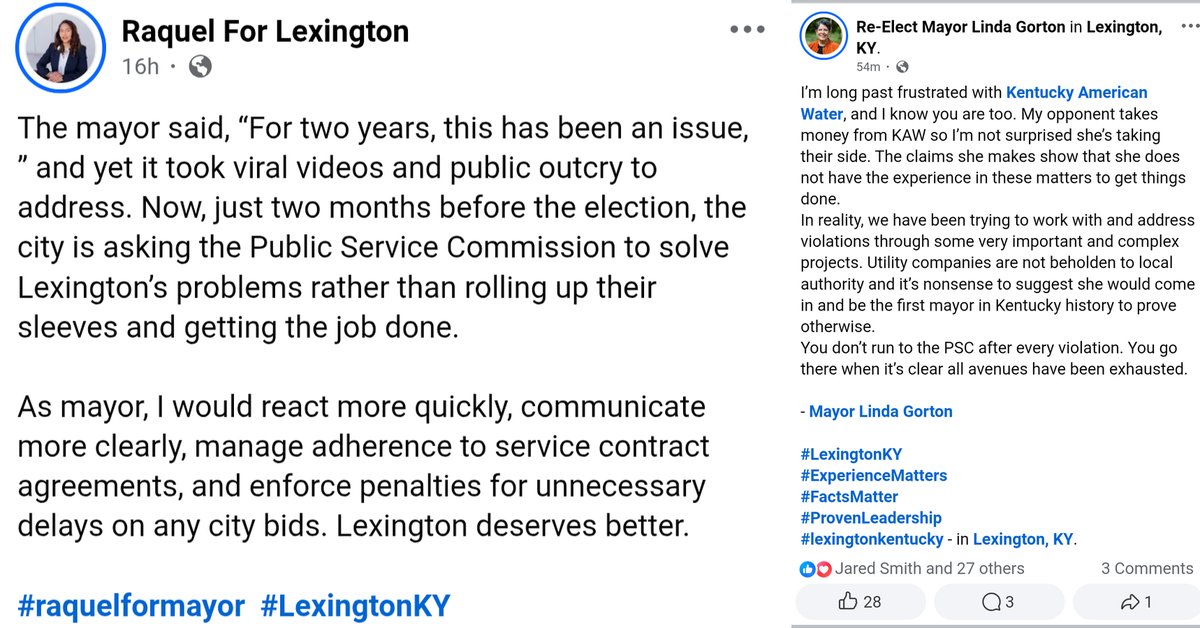
Gorton and Carter trade barbs over Kentucky American Water; records show one $100 gift, not company money
A day after Lexington filed a PSC complaint against Kentucky American Water, challenger Raquel Carter said the mayor waited two years and is now asking the state to “solve Lexington’s problems.” Mayor Linda Gorton’s campaign replied that Carter “takes money from KAW.” KREF records show a single $100 donation from a KAW external-affairs employee;…
-

Barr’s Senate campaign website dropped its “Trump-Endorsed” banner, rally photo and 16 Trump references in a July 16 rewrite
Andy Barr’s campaign homepage went from “100% America First. Trump-Endorsed,” with a rally photo beside Trump and an “Endorsed by President Trump” pop-up video, to “Kentucky Tough, Kentucky First, Always.” The site’s own WordPress records date the rewrite to July 16 — five weeks before Ralph Alvarado made a similar change. The endorsements page…
-

Analysis: The Democratic Party’s civil war is on Lexington’s ballot — and you can vote for both sides
Herbert Lynn is a democratic socialist and DSA member running on public power, tenant unions and a data-center ban, funded by $47 average gifts. Dan Wu is a founding member of the billionaire-backed Abundance Elected network, funded at $253 a gift. The national Democratic civil war has arrived on Lexington’s at-large ballot — where…
-
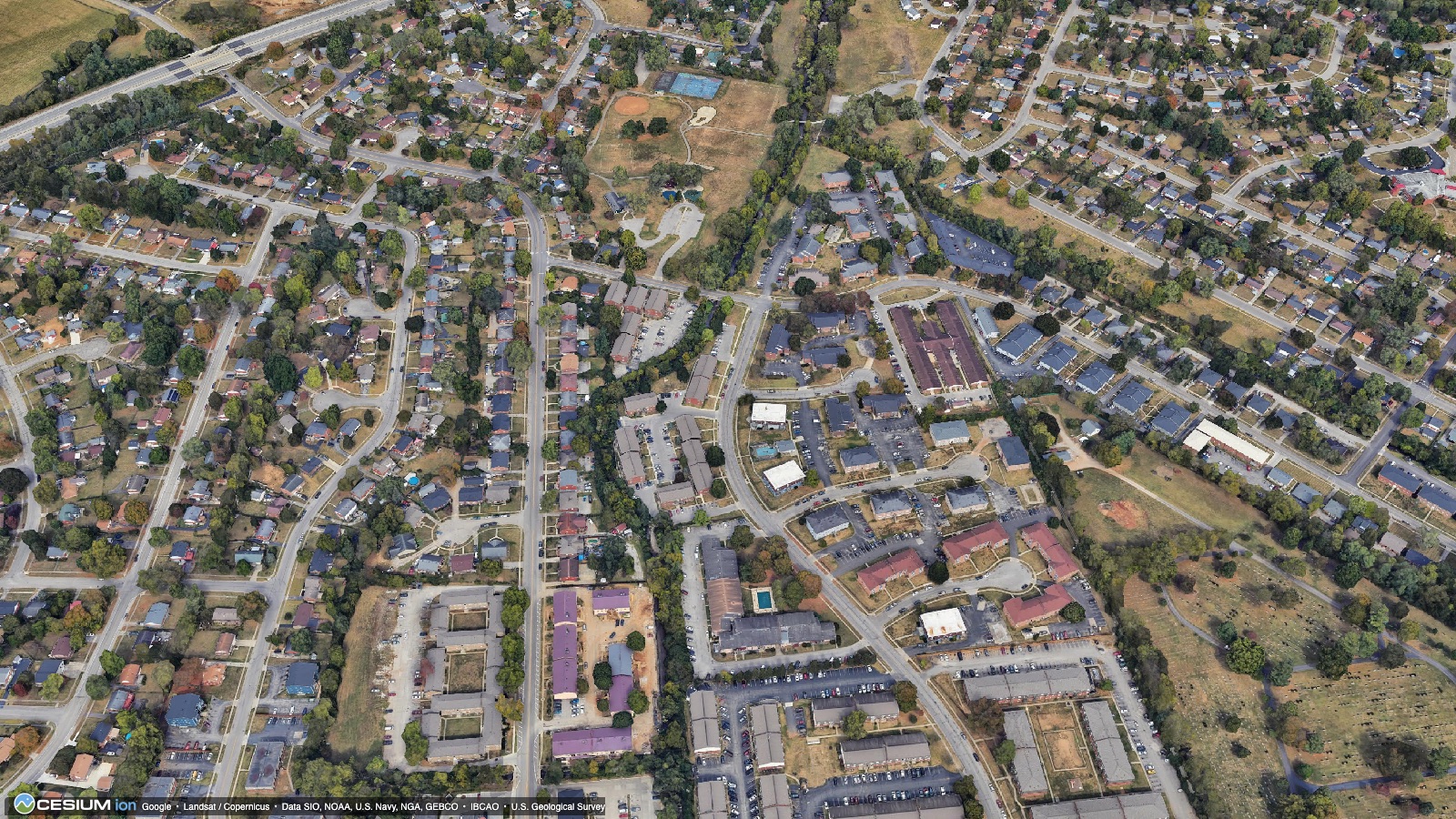
More than 400 Cardinal Valley apartments go to auction in the shadow of a $50 million fraud case
The four Cardinal Valley apartment complexes described in January’s federal fraud indictment of Cincinnati syndicator Vision & Beyond — more than 400 units bought for $20.8 million in 2021 and allegedly refinanced for $24.6 million in 2023 without paying off the prior loans — go to a no-reserve online auction August 24-26, with $18.1…
-
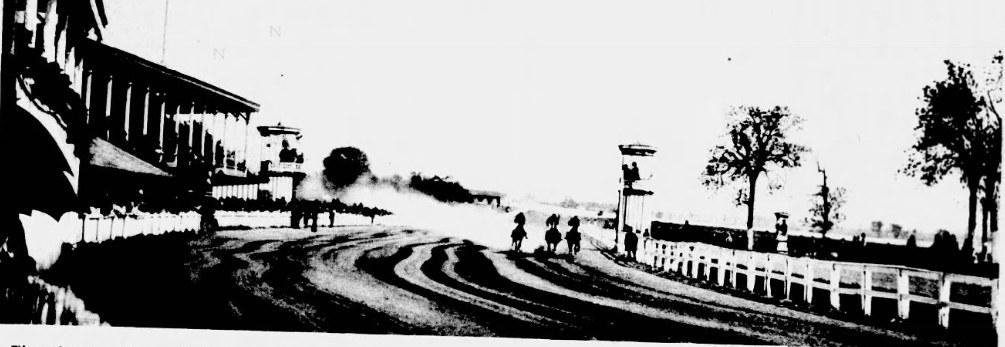
The Track on Race Street: how Lexington buried the course that made it the Horse Capital — and built Keeneland on the grief
For 107 years Lexington’s thoroughbreds ran at the Kentucky Association course on Race Street — the ground that launched Isaac Murphy and gave America its oldest stakes race. Then the Depression killed it, a housing project rose on its grave, and a handful of horsemen gambled everything on a non-profit called Keeneland.
-
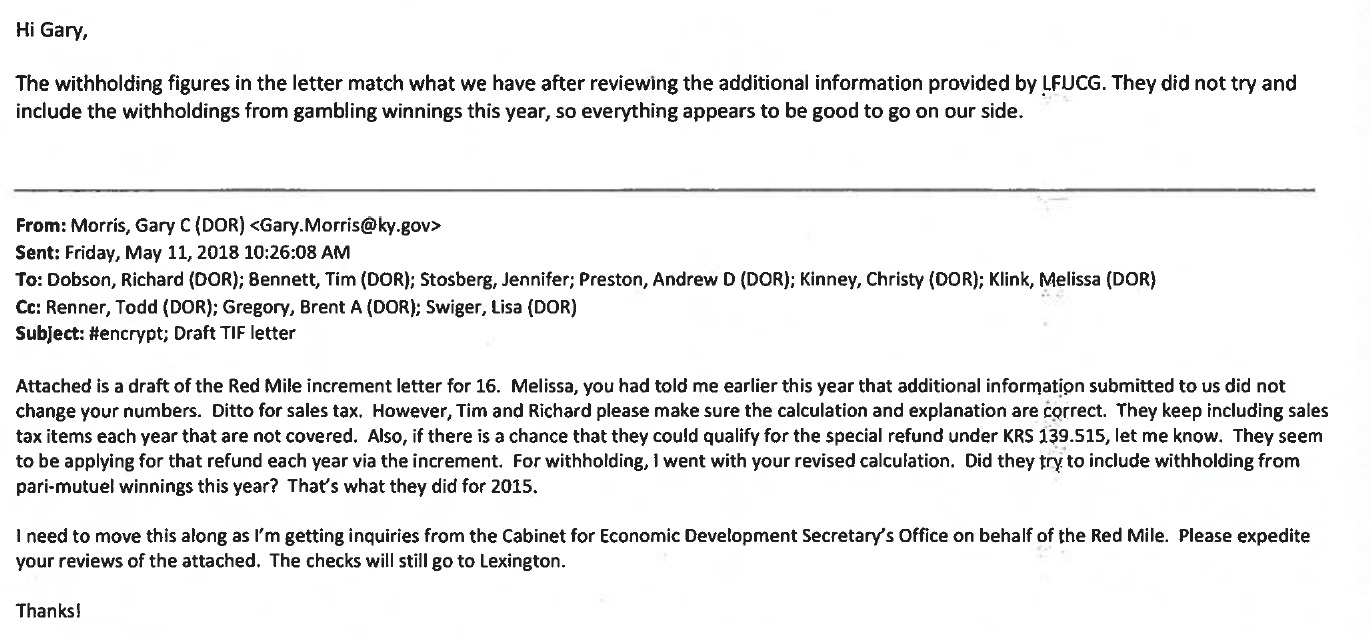
In its first year, Lexington asked the state for $973,179 in Red Mile tax money. Frankfort mailed $86,918.50. The subsidy’s full ten-year ledger is now public.
The Kentucky Department of Revenue has produced the last five missing years of the Red Mile TIF’s state ledger — on the exact day it promised. The decade’s total is public for the first time: $3,197,344 paid from 2015 through 2024, after state auditors spent ten years correcting Lexington’s math, striking gamblers’ income taxes…
-
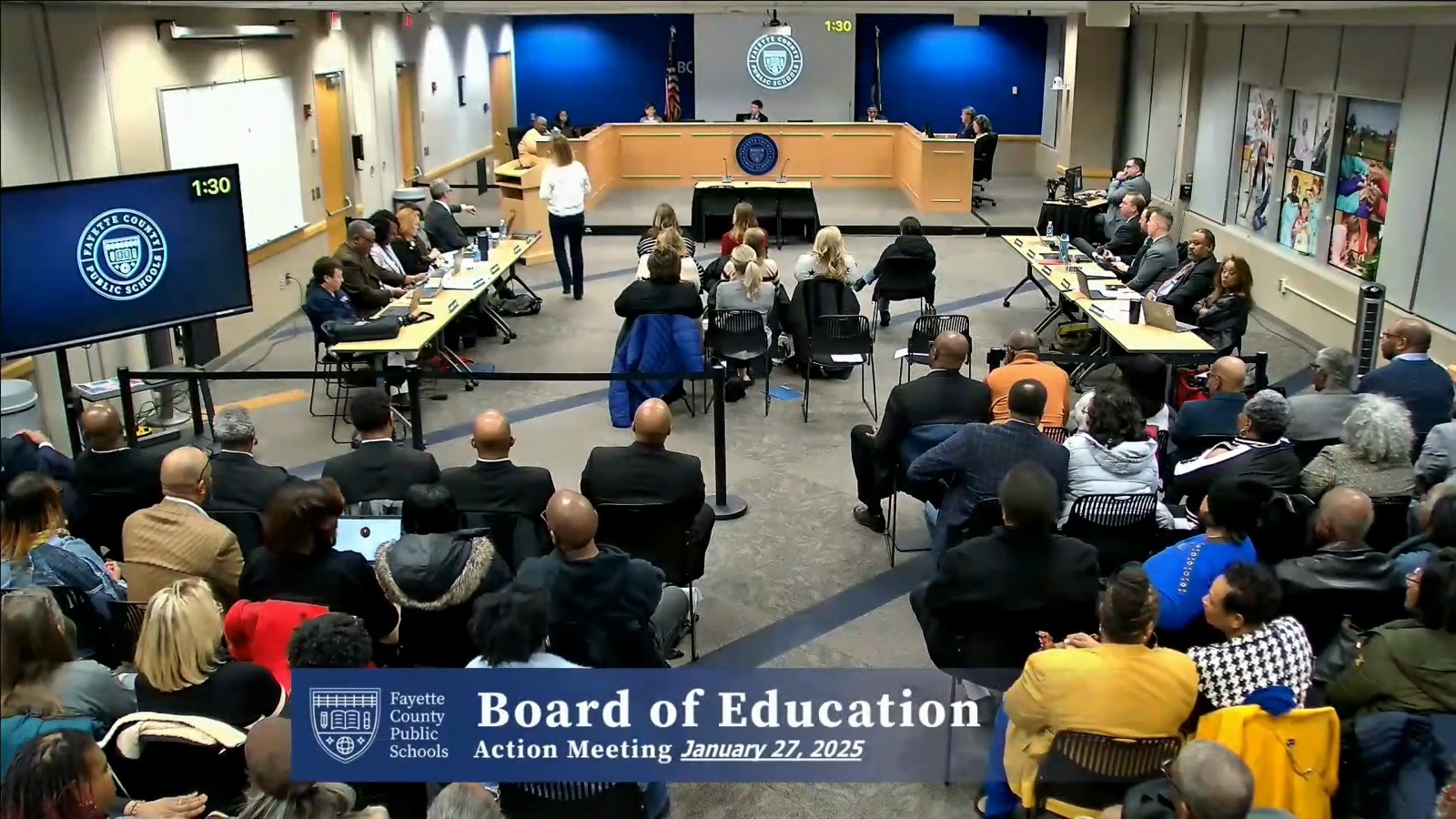
“Transparency Is a Choice”: how the Fayette school board dismissed its public, step by step, on the way to a million-dollar exit
On the night Fayette’s school board locked in four more years of Demetrus Liggins, a board member lectured skeptical parents that “sometimes transparency is a choice.” Eighteen months of receipts later, we know whose choice it was.
-
How FCPS Got Here: The Liggins Crisis, Traced Back
Sometime around mid-July, Attorney General Russell Coleman’s office is due to answer a question that sounds procedural: did the Fayette County Board of Education violate Kentucky’s Open Meetings Act on June 10, when it emerged from a two-and-a-half-hour closed session and unanimously suspended Superintendent Demetrus Liggins with pay? Liggins filed his appeal June 30;…
-
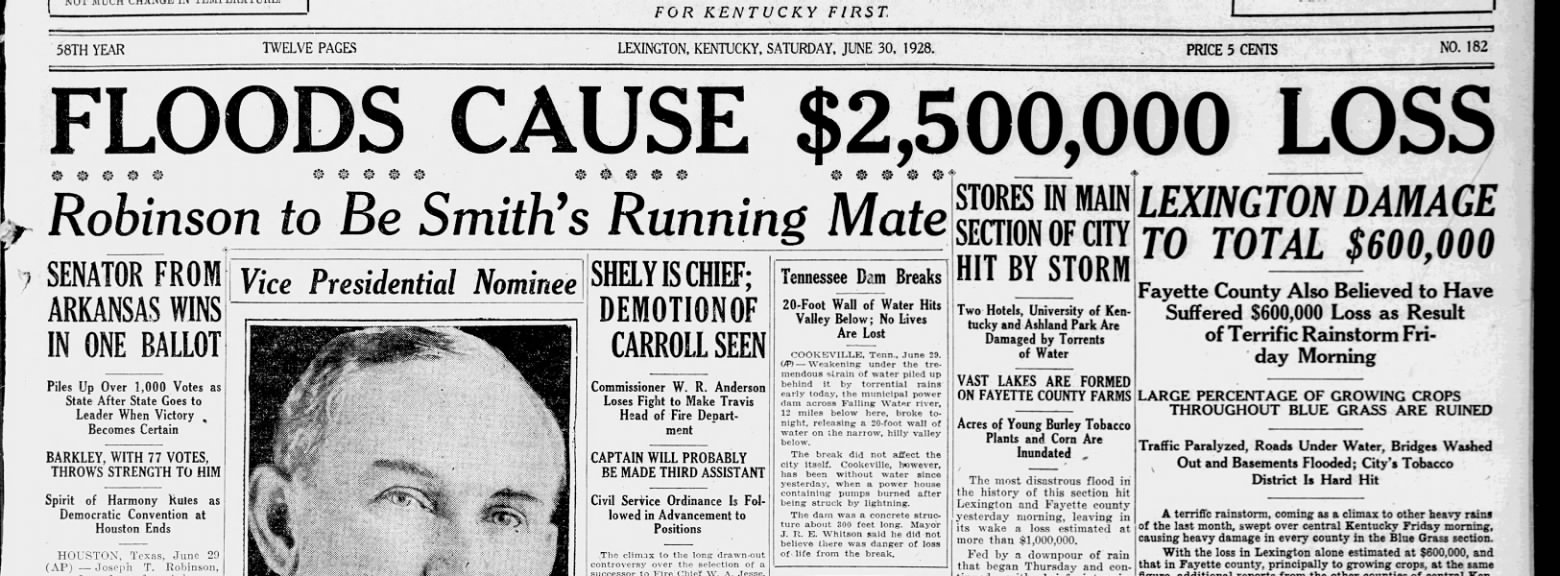
“So This Is Venice!” — When Summer Cloudbursts Turned Main Street Into a River
Every summer, usually in late June or July, Lexington gets a warning that sounds routine until it isn’t: flash flooding possible. The city sits in a shallow limestone bowl, its founding creek — Town Branch — buried under the pavement of Vine Street since the nineteenth century, and when a cloudburst stalls overhead the…
-
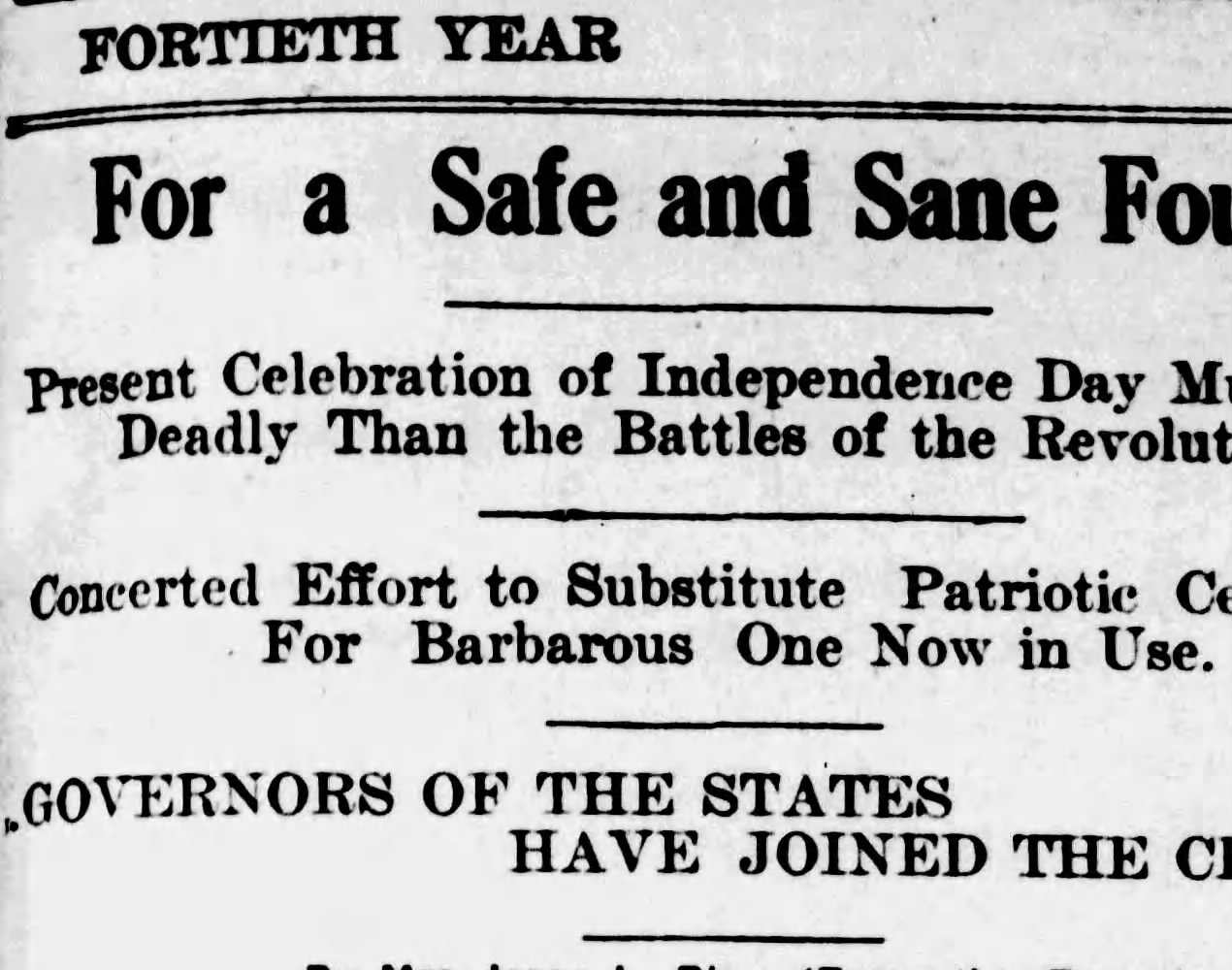
“More Deadly Than the Battles of the Revolution”: The Crusade to Tame Lexington’s Fourth
In 1910 the Lexington Herald gave a full section front to the safe-and-sane crusade — the campaign insisting America’s fireworks Fourth killed more people than the Revolution it commemorated.