-
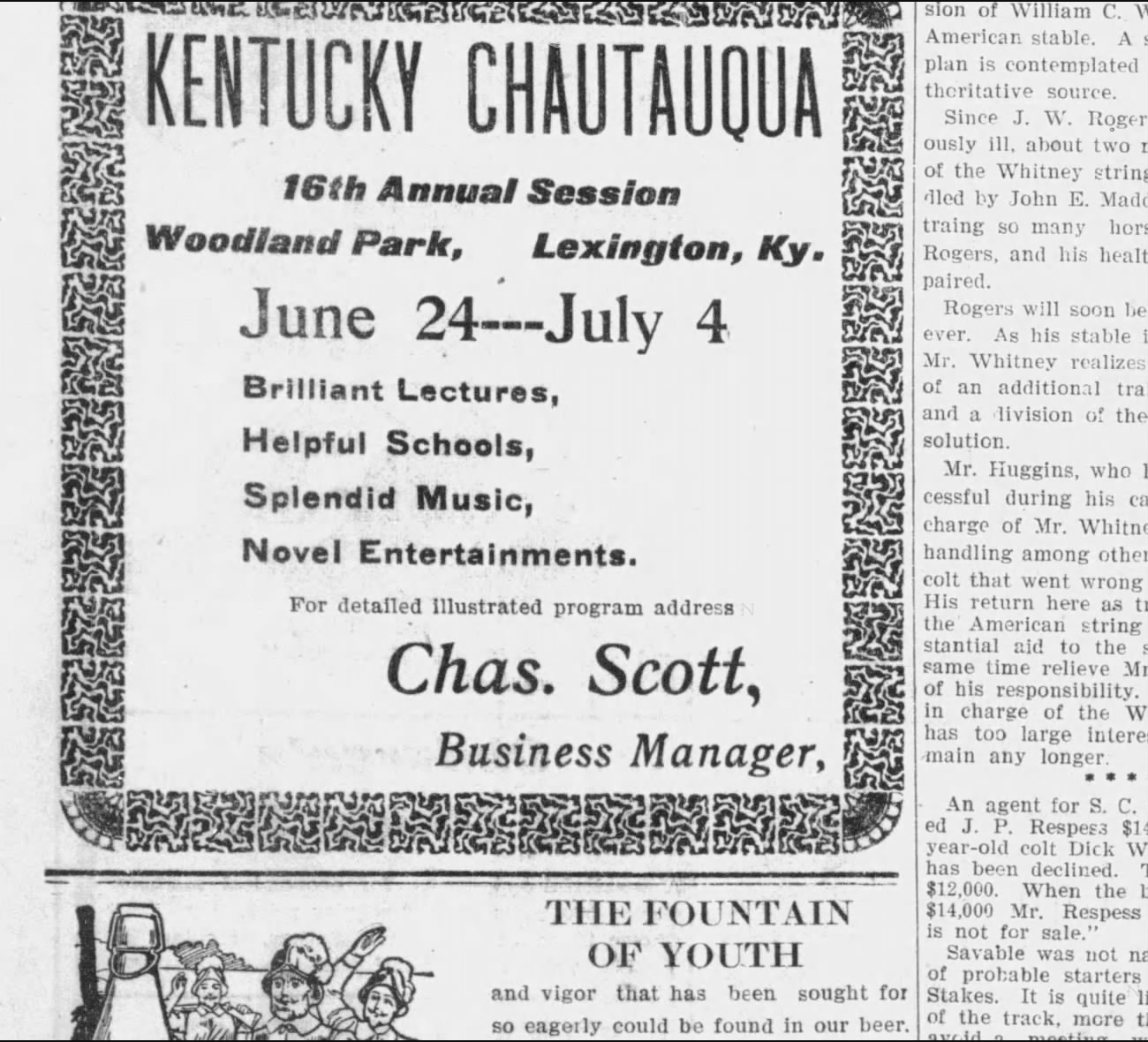
Brilliant Lectures, Leaky Balloons: How Lexington Did the Fourth a Century Ago
At Woodland Park’s Kentucky Chautauqua, the Fourth of July meant brilliant lectures, helpful schools, splendid music — and a former Opera House stagehand going up in a balloon he called a thing of shreds and patches.
-
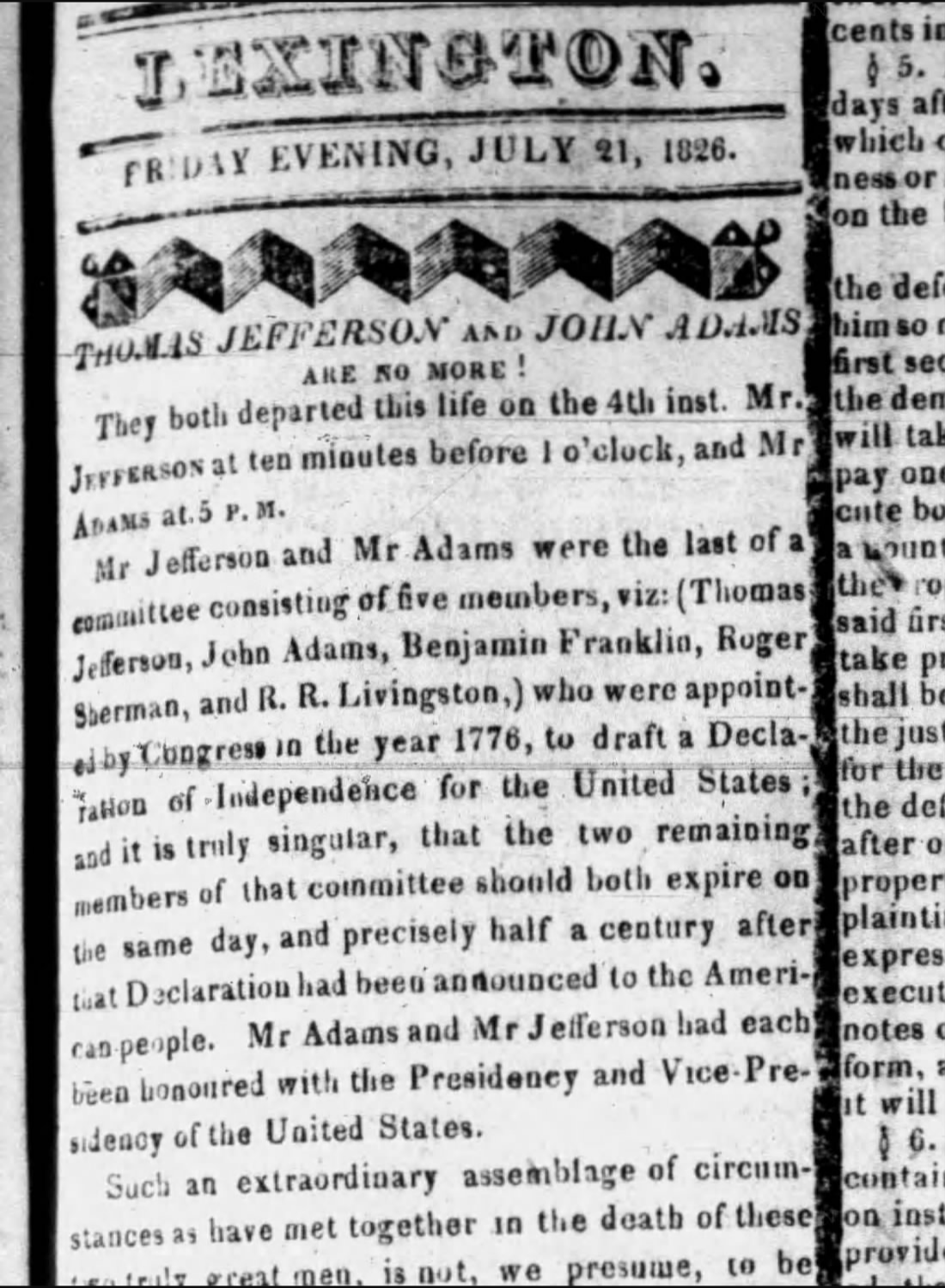
Lexington Toasted Jefferson’s ‘Declining Days.’ He Had Been Dead for Seventeen Days.
On the 50th Fourth of July, Lexington raised a glass to the living Thomas Jefferson — and learned from the same newspaper, seventeen days later, that he and John Adams had both died that very afternoon.
-
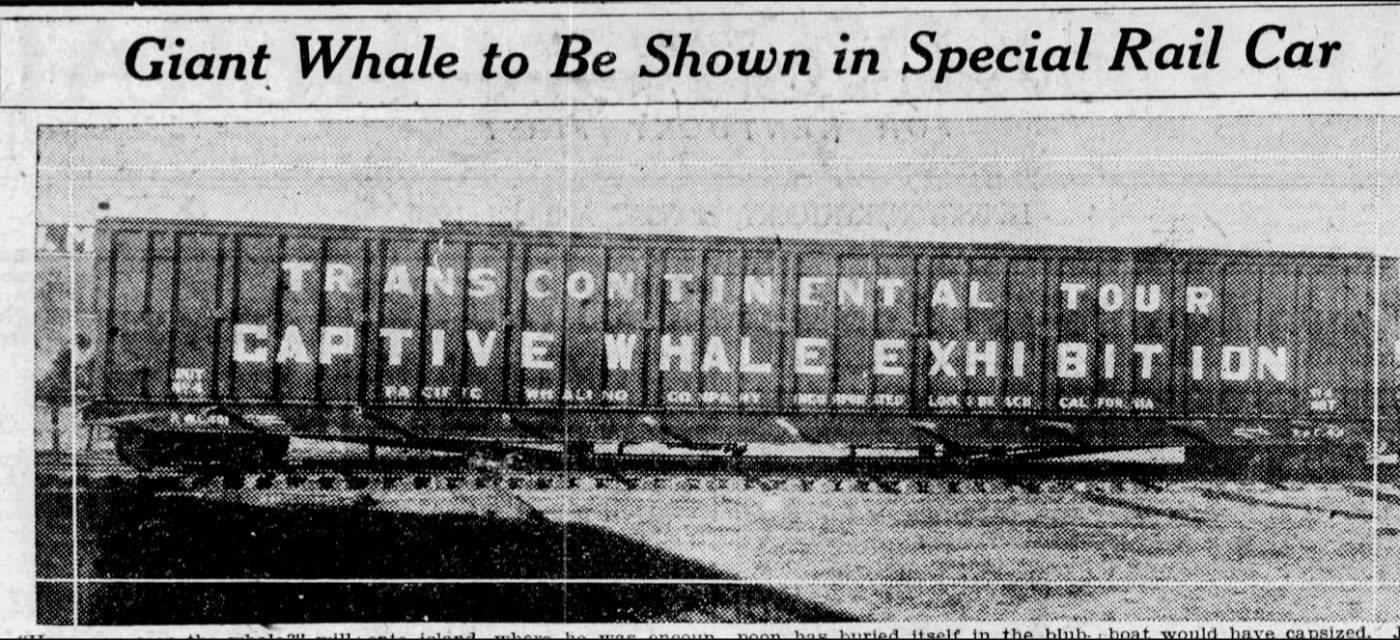
The Week Lexington Lined Up on Main Street to See a Dead Whale
In April 1930, a 66-ton embalmed finback named Goliath rolled into Lexington in a glass-walled railcar — and 3,000 people came out the first night.
-
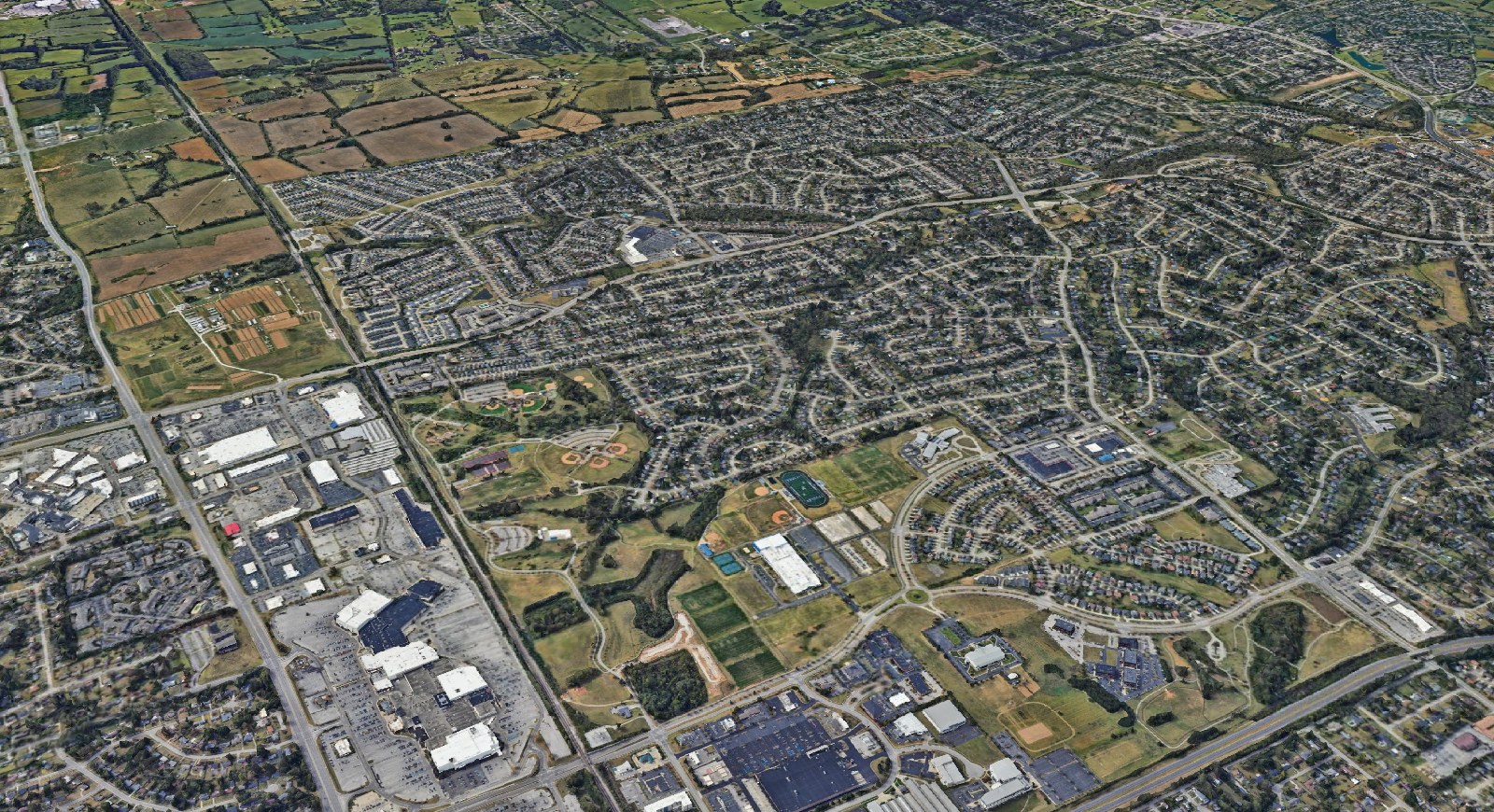
The Line: houses, horses, and the money behind Lexington’s growth boundary
Lexington’s single biggest source of local political money is a horse farm. Its growth boundary — the nation’s first, drawn in 1958 — is what that money is defending. A documented, bilateral look at the homebuilders and the horse farms fighting over where to draw the line, traced dollar by dollar through the campaign-finance…
-
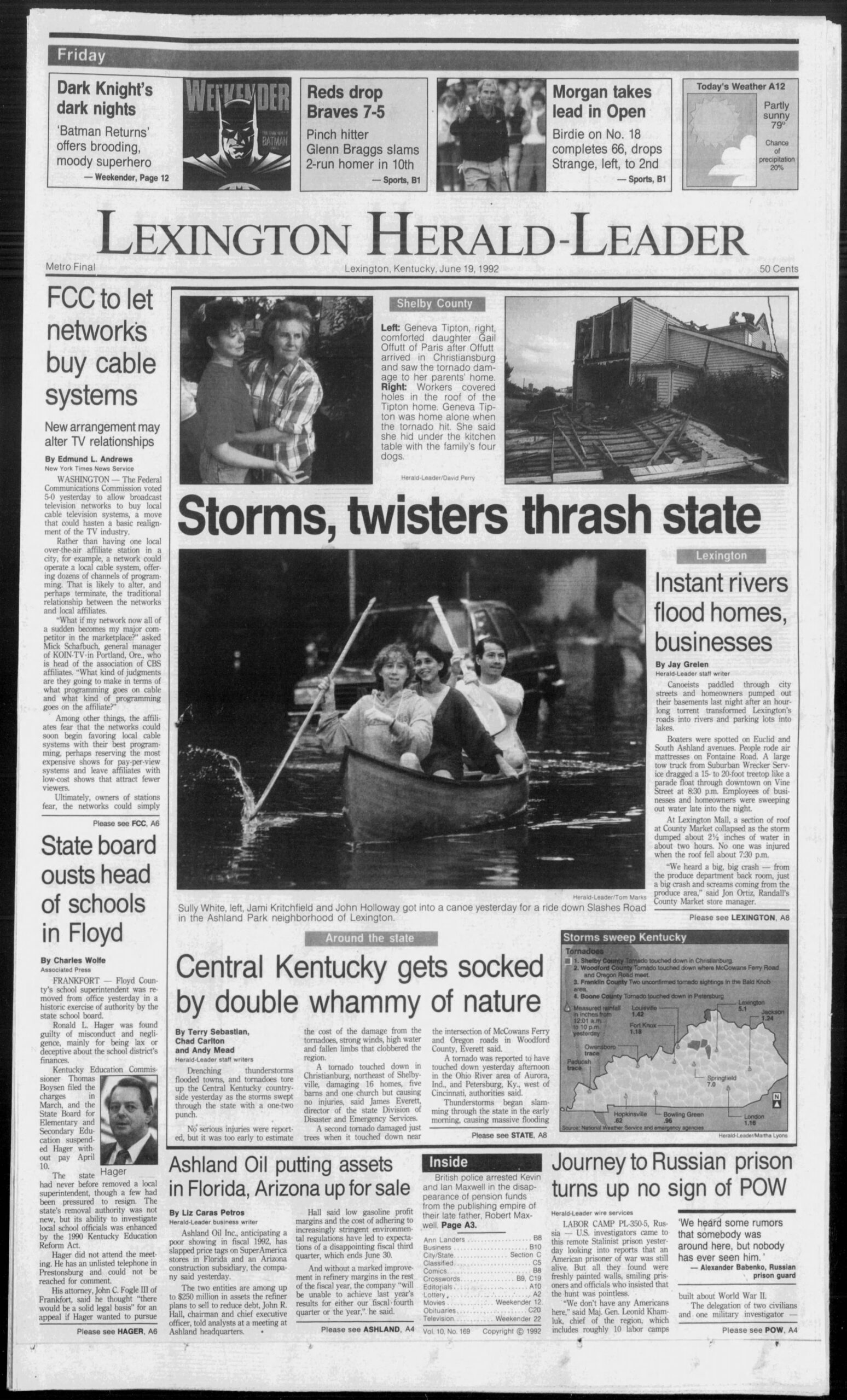
Let It Flood: how a drowned Lexington street became Kentucky’s biggest food forest
The same low ground along Wolf Run that flooded out Kilrush Drive in June 1992 was bought up, demolished and left as a mowed city greenway for fifteen years — until a permaculturist asked to plant it. How a drowned Lexington street became Kentucky’s biggest food forest.
-
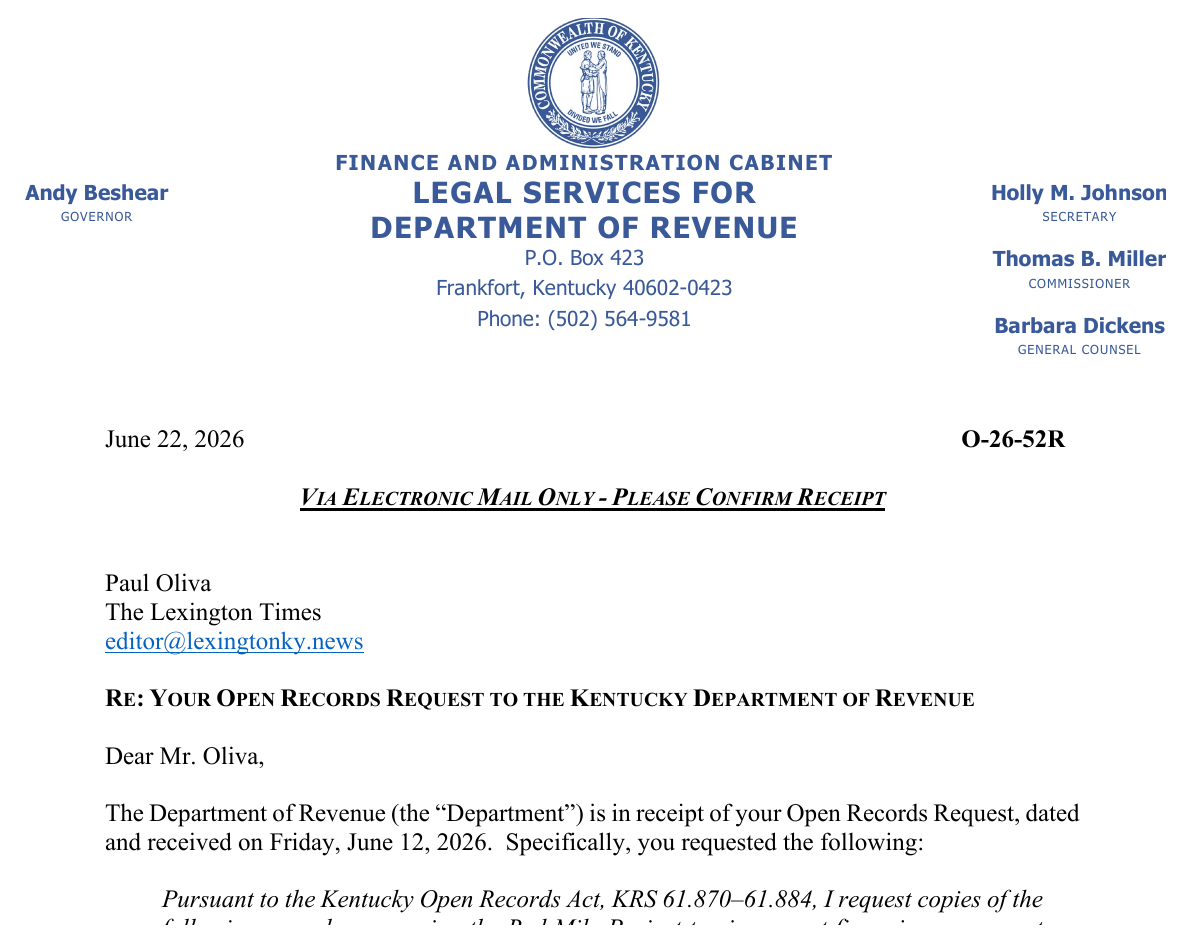
The Red Mile’s tax payout was supposed to be off the books. Open records pried loose five years of it: $2.16 million, recalculated by the state nearly every year.
In June, a Lexington Times investigation reported that the public had no way to learn what the Red Mile’s 16-year-old tax subsidy had actually paid out — the figure lived only behind open-records law. The Kentucky Department of Revenue has now produced it: $2.16 million in state increment released from 2020 through 2024, with…
-
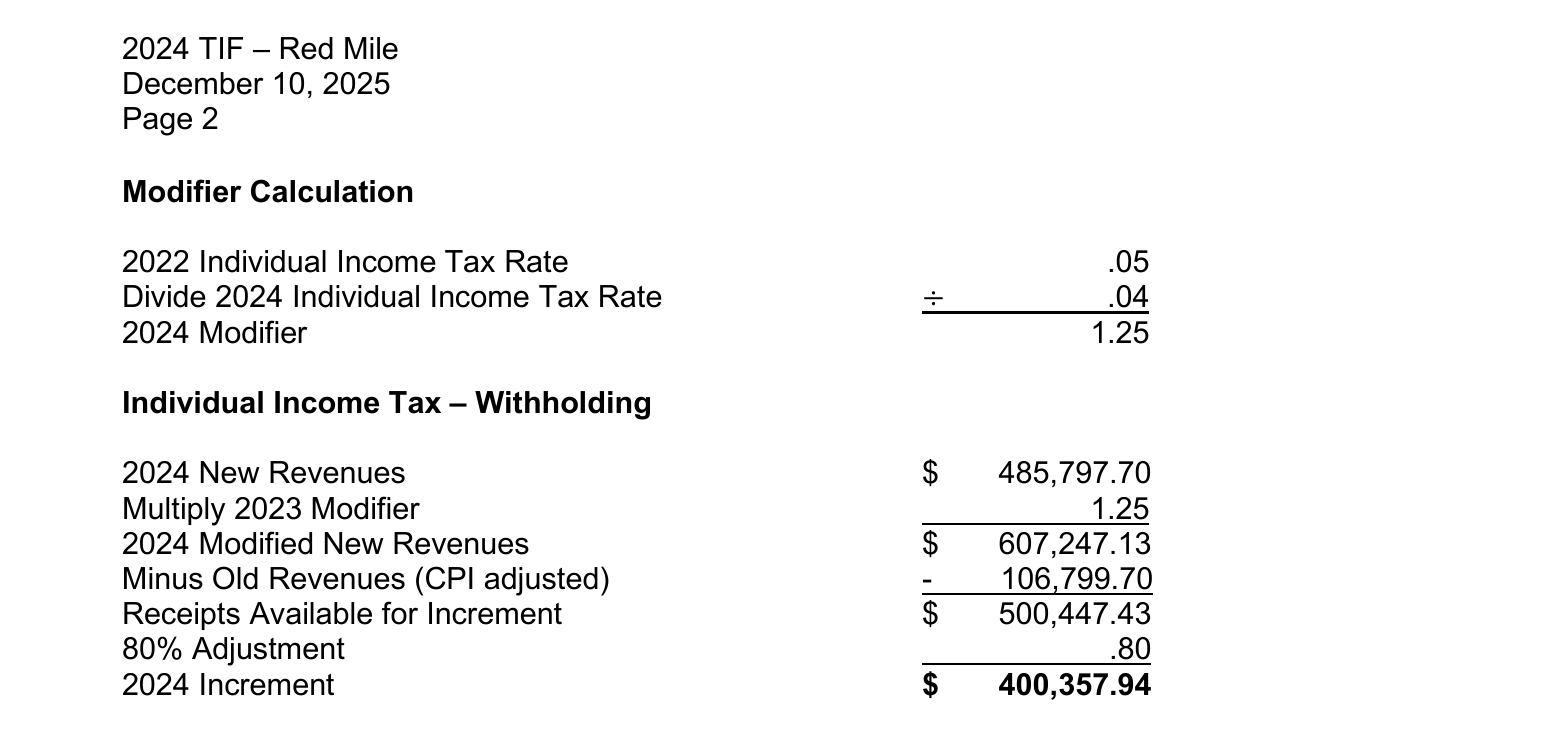
Kentucky is cutting its income tax. For its oldest development subsidies, the state recalculates the payout as if the rate never moved.
As Kentucky ratchets its income tax down — 5 percent to 4 percent, and now 3.5 percent — a provision first written into the 2023 tax bill and quietly extended twice since recalculates the withholding inside older tax-increment-financing districts as if the rate were still 5 percent. The effect: the cut reaches ordinary taxpayers…
-
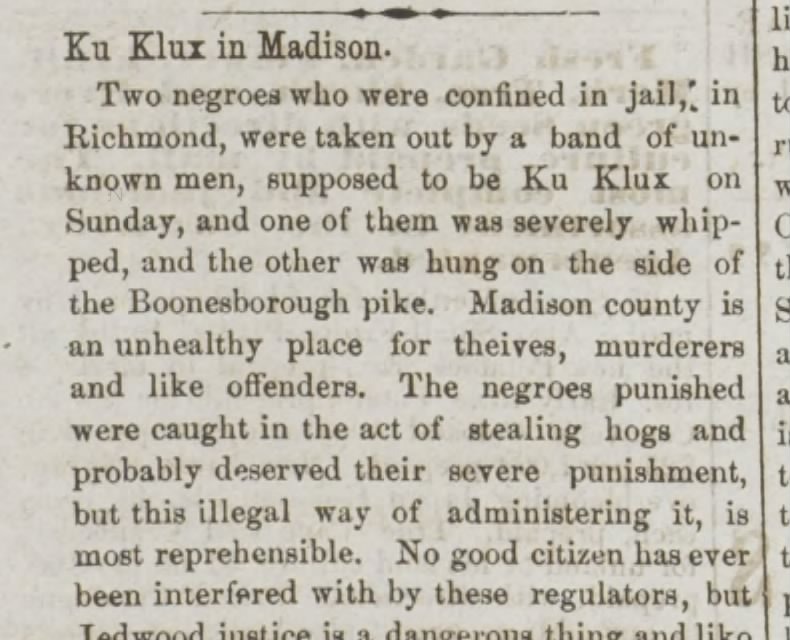
Fifteen Months in Madison County
Between the summer of 1869 and the fall of 1870 — barely fifteen months — mobs in Madison County, Kentucky killed at least seven Black people. The county had a courthouse at Richmond, a college at Berea founded on the principle of racial equality, and, for that stretch, a Klan that rode more or…
-
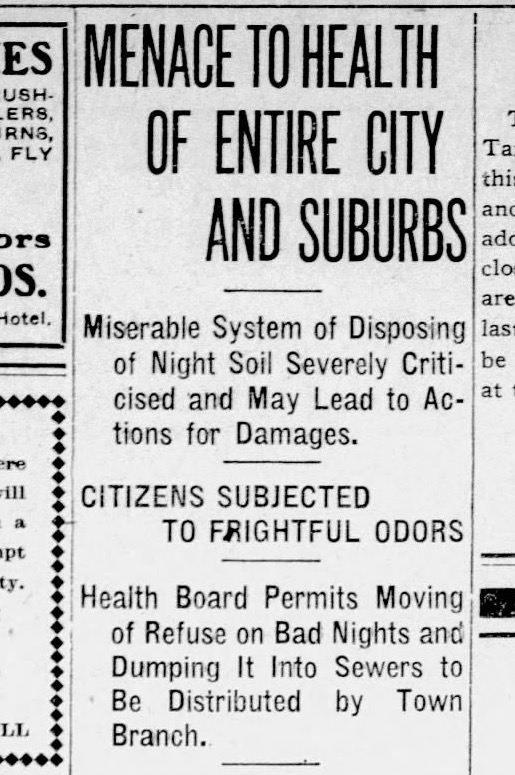
Stop Tapping the Storm Sewers: Lexington Has Been Fighting the Same Problem for 115 Years
A two-sentence notice in the spring of 1911 banned tapping Lexington’s storm sewers for sewage. The cross-connections it targeted are the same ones at the heart of the city’s $590 million EPA consent decree, entered almost to the day a century later.
-

The Bard of the Turf, Revisited: Mickey Shannon’s Two-Issue Newspaper, His Trained Pig, and the Mule That Threw Him Into History
by Paul Oliva, Lexington Times Web Editor Editor’s note: In August 2023, this publication ran a remembrance of Michael Joseph “Mickey” Shannon, the Irish-born horseman who edited the original Lexington Sunday Times in 1911 — the colorful predecessor whose name we carry. Three more years of digging — through the digitized Lexington Herald and…