🌎 Resumen en español · traducción automática
El gobernador de Kentucky Andy Beshear se unió a una coalición de funcionarios demócratas estatales para demandar al gobierno Trump y bloquear el acceso a datos sensibles de familias que reciben beneficios de Asistencia Temporal para Familias Necesitadas (TANF), incluyendo números de Seguro Social, estado civil e información migratorio. Más de 28,000 kentuckianos reciben dinero a través de este programa federal administrado por el Programa de Asistencia Transitoria de Kentucky (KTAP). La demanda fue presentada en corte federal en Washington D.C. junto con otros 23 estados y el Distrito de Columbia, argumentando que la divulgación de esta información personal es ilegal.
Traducción y resumen generados por IA a partir del artículo en inglés. Puede contener errores; consulte el texto original.
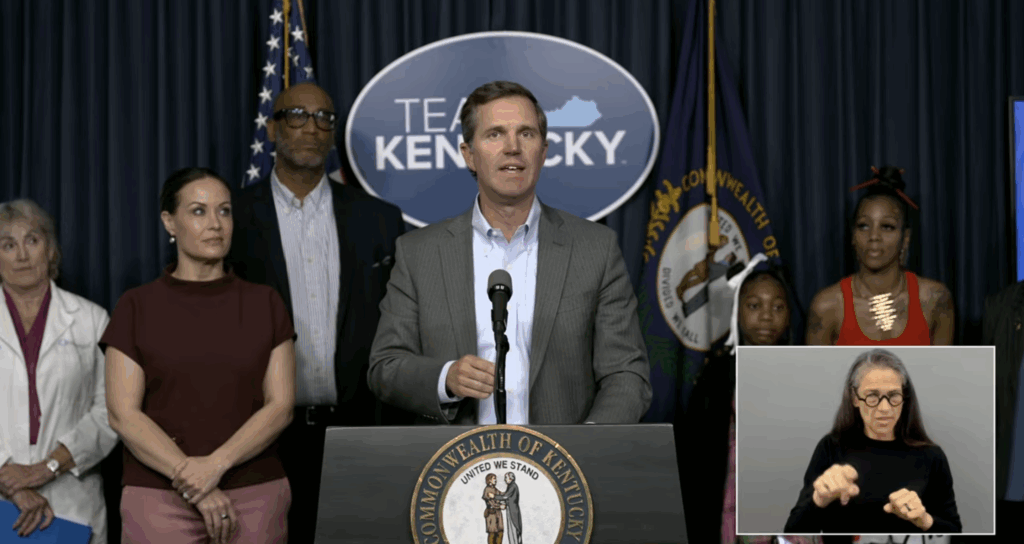
Kentucky Gov. Andy Beshear joined a coalition of Democratic state officials in suing to block the Trump administration from getting access to sensitive data of families receiving Temporary Assistance for Needy Families (TANF) benefits.
Filed in federal court in Washington, D.C., the lawsuit said that the Administration for Children and Families had issued a notice to authorizing disclosing records of millions of Americans to “ any public or private entity that ACF chooses, at any time, for the purpose of scrutinizing States’ compliance with any provision of the TANF statute.” The ACF may disclose Social Security numbers, marital status, parentage, immigration status and more.
According to a press release from the Beshear administration, more than 28,000 Kentuckians receive money through the federal program, which is administered by the Kentucky Transitional Assistance Program (KTAP) in the state.
“I joined this lawsuit because no Kentuckian – and no American – should have to worry about their confidential and personal information being shared unlawfully,” Beshear said in a statement. “Social Security numbers, addresses and more are private – and we’re fighting back against the Trump administration’s unlawful actions to ensure they stay that way.”
Other states represented in the case are Arizona, California, Colorado, Connecticut, Delaware, Hawaii, Illinois, Maine, Maryland, Massachusetts, Michigan, Minnesota, Nevada, New Jersey, New Mexico, New York, Oregon, Pennsylvania, Rhode Island, Vermont, Virginia, Washington and Wisconsin, as well as the District of Columbia.