The Mayor’s Office of Lexington is calling a local media outlet’s reporting “gutter-level journalism” following a story that examined online questions about snow removal on a residential street where Linda Gorton owns a home.
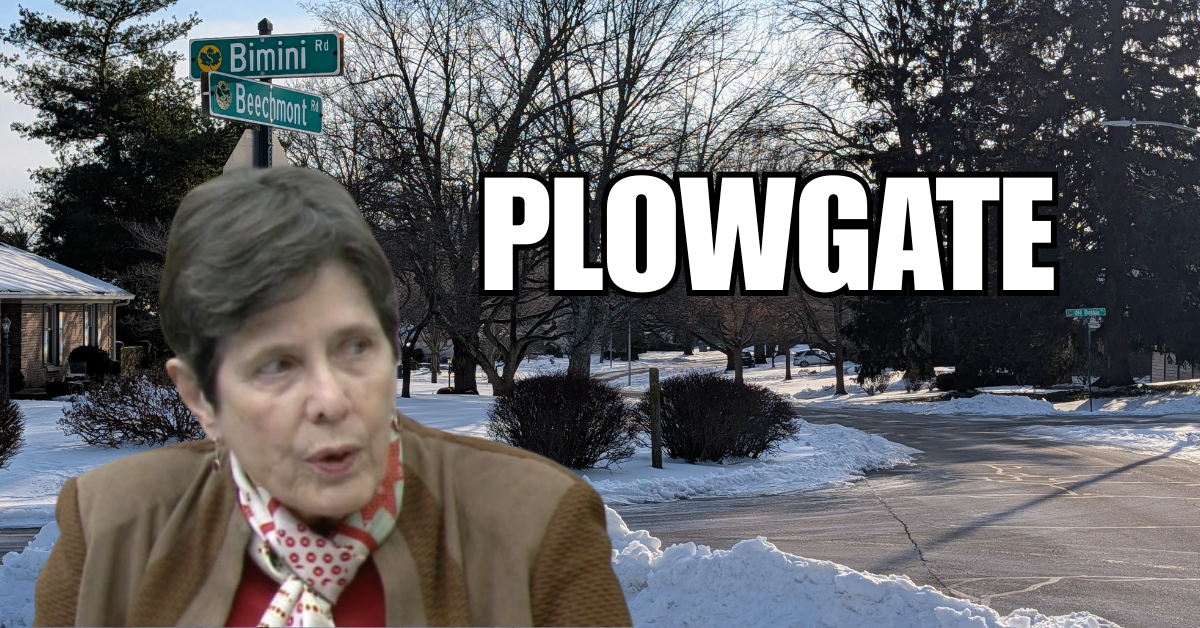
The dispute stems from an article examining online speculation about why Beechmont Road, a neighborhood street designated as Priority 4 under the city’s snow and ice plan, appeared to have been cleared more thoroughly than some other residential roads following Winter Storm Fern. The controversial piece ran as a part of the Herald-Leader’s “Reality Check” series.
The social media post that drew attention to the issue appeared on Reddit under the headline, “I dunno why y’all are complaining — my street is totally clear,” alongside a photo of a plowed roadway. A caption beneath the image read, “jk this is the mayor’s street lol,” signaling the post was intended as satire while still referencing a real location.
In its report, the Herald-Leader noted that Beechmont Road falls into the same lower-priority category as many other neighborhood streets that residents say remained snow- and ice-covered days after the storm. The newspaper also reported that a spokesperson for the mayor said there was “absolutely nothing to it” and that the mayor had not requested any special treatment.
Mayoral spokesperson Susan Straub criticized the paper’s coverage in unusually blunt terms.
“I think this is the worst kind of journalism,” Straub told the Herald-Leader. “You all are responding to rumors that are on social media, and I think this is low, gutter-level journalism.”
Straub later added in a written statement that the mayor is “currently not living on that street” and “derives no benefit from it being cleared,” calling the situation “a non-story.”
The Lexington Times has requested a comprehensive set of public records to better understand how neighborhood snow removal decisions were made and carried out during and after Winter Storm Fern. The request seeks raw GPS or AVL tracking data for city and contractor plow and salt trucks — including routes, timestamps, and activity logs — in native electronic formats suitable for mapping analysis. It also asks for route assignment materials such as plow route maps, route sheets, and any internal documents showing how streets were assigned during the storm, along with datasets or GIS layers that define the city’s street priority classifications. In addition, the request covers salt and brine application records, including time- and location-specific logs and any electronic spreader control data, as well as operational shift reports and daily activity logs from the Streets & Roads Division describing storm response work. The Times is also seeking 311/LexCall service request data related to snow and ice complaints — including locations, timestamps, response notes, and any resulting dispatches or work orders — and finally, the written policies, procedures, and prioritization guidelines in effect at the time, along with any internal after-action reports or performance reviews evaluating the city’s response to the storm.
City officials have acknowledged widespread frustration with post-storm conditions and said the plan may need revisions after back-to-back severe winter events.
Independent observations of street conditions the same weekend underscored the contrast at the center of the online discussion.
In the spirit of quiet civic diligence, a member of The Lexington Times web staff observed conditions on Beechmont Road Saturday morning, around the time the Reddit post was circulating, and compared them with another nearby residential street carrying the same Priority 4 designation.
On Beechmont, pavement was largely visible. Snow had been pushed cleanly to the curb. The road surface appeared treated and passable.
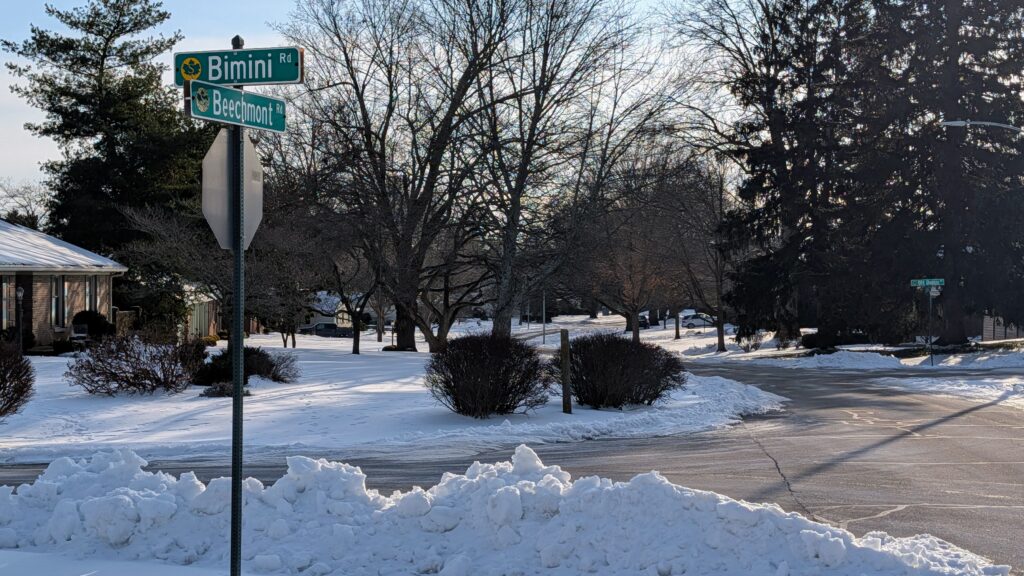
A few blocks away, a different Priority 4 street remained mostly snow- and ice-covered, with tire tracks cutting narrow paths through packed accumulation. It had the appearance familiar to many drivers navigating neighborhood streets several days after a winter storm.
Both streets serve single-family homes. Neither functions as a major arterial. Yet their post-storm conditions differed in ways visible from the driver’s seat.
City officials have not publicly explained what factors might account for variations in plowing or treatment among streets with the same priority ranking, and a citywide update on neighborhood street conditions was not immediately available at the time of the Herald-Leader’s reporting.
Mayor Gorton, who is seeking a third term this year, has said the city must reassess its winter storm response as severe cold-weather events become more frequent. Meanwhile, the exchange between City Hall and one of the city’s largest news outlets highlights growing tensions over how storm response — and scrutiny of it — is being framed in the public eye.